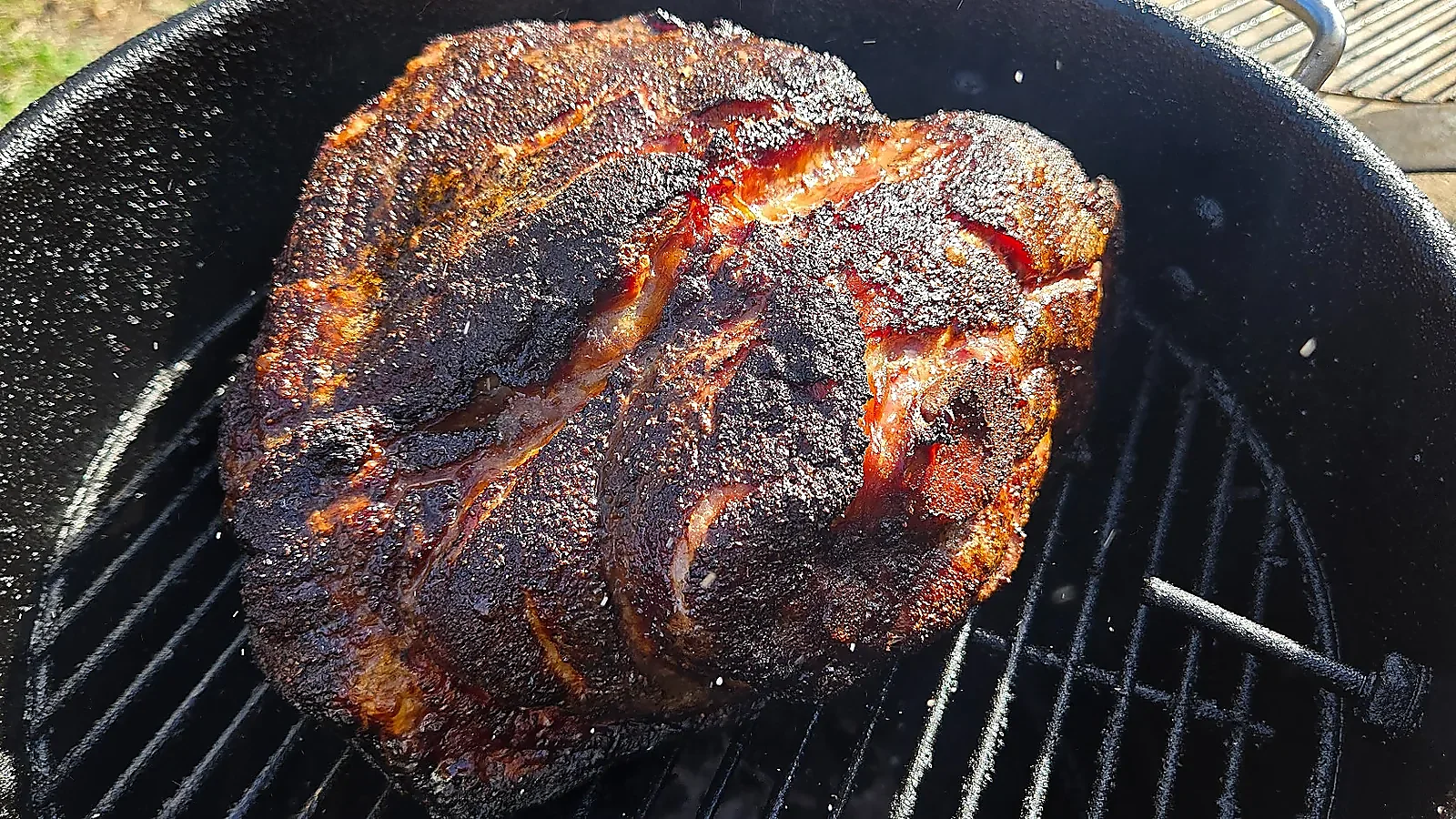
If you want real backyard BBQ, smoked pork butt is one of the best places to start. Pork shoulder is forgiving, full of flavor, and when cooked low and slow it turns into tender pulled pork with rich bark, smoky aroma, and juicy strands of meat that pile high on sandwiches, tacos, and plates.
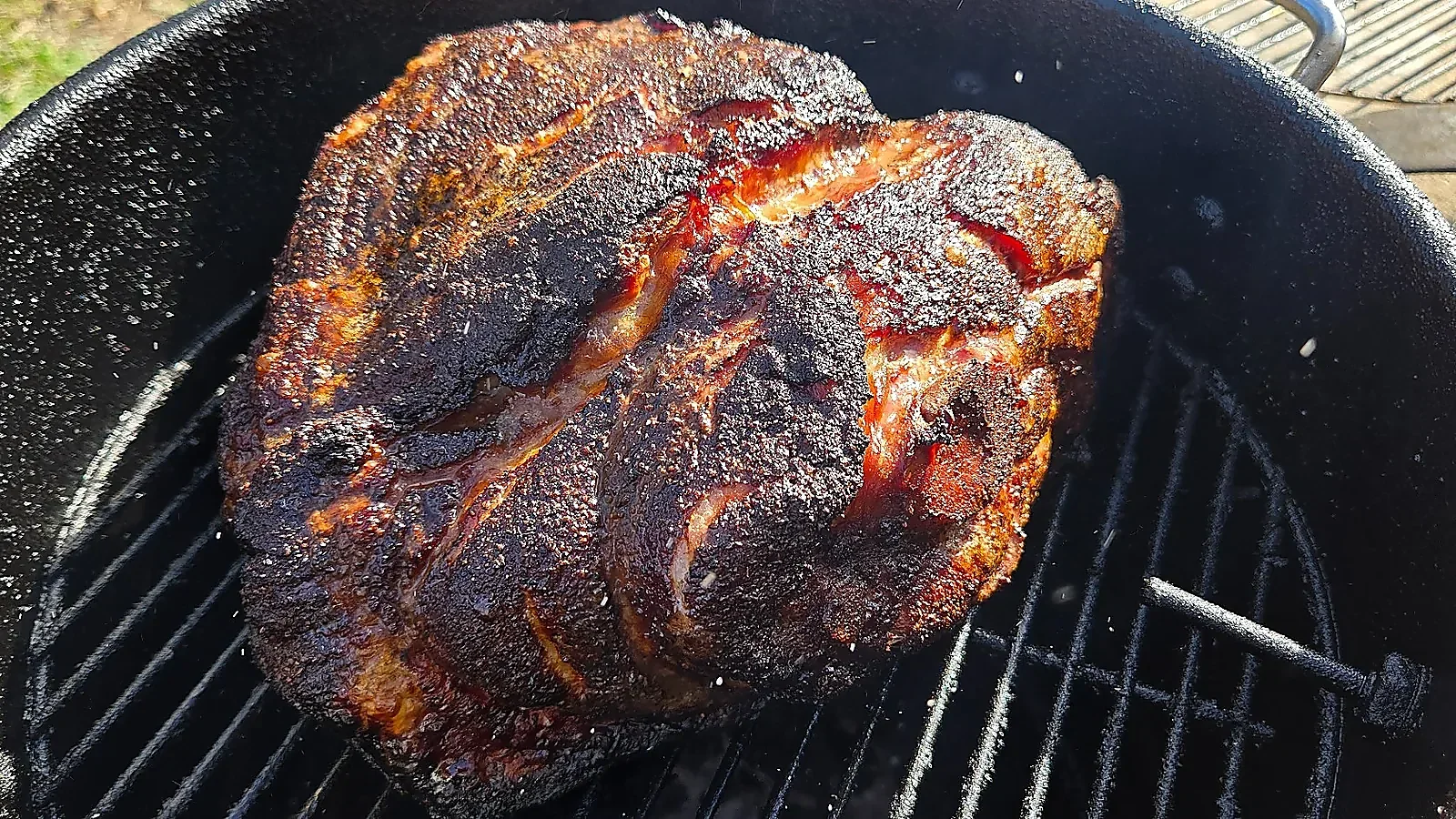
For this cook, the pork was seasoned with PyroDust BBQ Dry Rub Medium, then smoked until the outside built a dark crust and the inside became tender enough to pull by hand. The result was exactly what you want from smoked pulled pork, deep flavor, great texture, and plenty of bark mixed into every bite.
This post walks through the full cook from raw pork butt to finished pulled pork, including seasoning, smoking temperature, cook time, bark formation, and why the Maillard reaction matters in BBQ.
Why Pork Butt Is One of the Best Cuts for Smoking
Despite the name, pork butt comes from the upper shoulder of the hog, not the rear. It is one of the best cuts for smoking because it contains plenty of fat, collagen, and connective tissue. Over a long cook, those tough tissues break down and turn into tender, juicy meat.
That is what makes pork shoulder ideal for pulled pork.
A whole pork butt can handle hours of smoke and still stay moist. It also gives you a great balance of soft interior meat and bark-covered outer pieces, which is where a lot of the flavor lives.
Ingredients for Smoked Pork Butt
- 1 pork butt or Boston butt, about 7 to 10 pounds
- PyroDust BBQ Dry Rub Medium
- Wood for smoking such as hickory, oak, apple, or cherry
Equipment
- Smoker set up for indirect cooking
- Charcoal or wood fuel
- Meat thermometer
- Pan for resting the pork
How to Prep a Pork Butt for the Smoker
Start by removing the pork butt from the packaging and patting it dry. If there are any loose pieces of fat or ragged edges, trim those off. You do not need to trim aggressively. Most of the fat can stay in place and will help protect the meat during the cook.
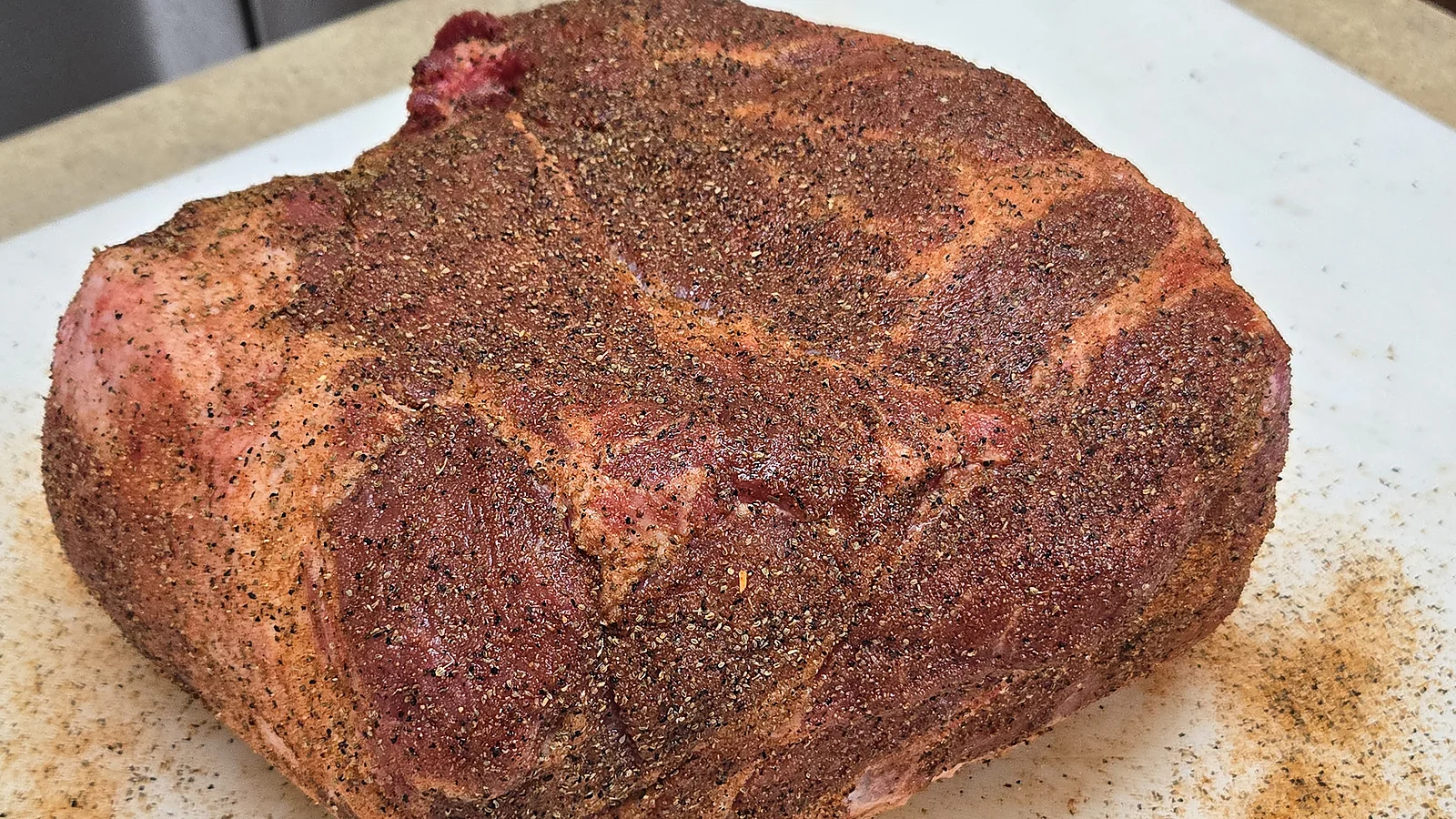
Next apply PyroDust BBQ Dry Rub Medium generously over the entire pork butt. Cover the top, bottom, sides, and seams of the meat.
Once seasoned, let the pork sit while the smoker comes up to temperature. The salt in the rub will begin drawing moisture to the surface and the seasoning will adhere naturally to the meat.
Why PyroDust BBQ Dry Rub Medium Works on Pork Butt
For a long pork shoulder cook, you want a rub that can hold up to smoke and time without disappearing into the meat. PyroDust BBQ Dry Rub Medium lays down a bold surface seasoning that helps build color, bark, and a balanced savory flavor through the entire cook.
On pork butt, that matters because the outside of the roast is where the bark develops. A weak seasoning gets lost. A proper BBQ rub helps create that crust and gives the pulled pork more flavor after shredding, especially when bark pieces are mixed back into the meat.
Best Temperature for Smoking Pork Butt
Set your smoker to 225°F to 250°F and cook the pork butt with indirect heat.
Low and slow is the key. At these temperatures the fat renders gradually and the collagen breaks down slowly.
Best Wood for Smoking Pork Butt
When it comes to smoking pork butt, hickory is hard to beat. It produces a strong, classic barbecue smoke flavor that stands up well to a long cook and pairs perfectly with pork shoulder. Because a pork butt spends many hours in the smoker, lighter woods can sometimes fade into the background.
That said, fruit woods like apple or maple are excellent choices when you want a slightly sweeter smoke profile. They are especially good with cuts like pork belly or pork chops where the cook time is shorter and the smoke flavor stays more delicate.
For traditional pulled pork, though, hickory remains the pitmaster favorite because it builds deep smoke flavor while helping develop a rich bark during the long cook.
How Long to Smoke a Pork Butt
A pork butt usually takes about 1.5 to 2 hours per pound. What matters most is internal temperature and tenderness rather than time.
The pork will often hit the BBQ stall around 150°F to 165°F. This happens when evaporation slows the rise in internal temperature.
When Pork Butt Is Done
For pulled pork, cook until the internal temperature reaches about 200°F to 205°F. At that point the connective tissue has broken down and the meat becomes tender enough to shred.
Once done remove it from the smoker and rest for at least 30 to 60 minutes.
What Is Bark on Smoked Pork Butt
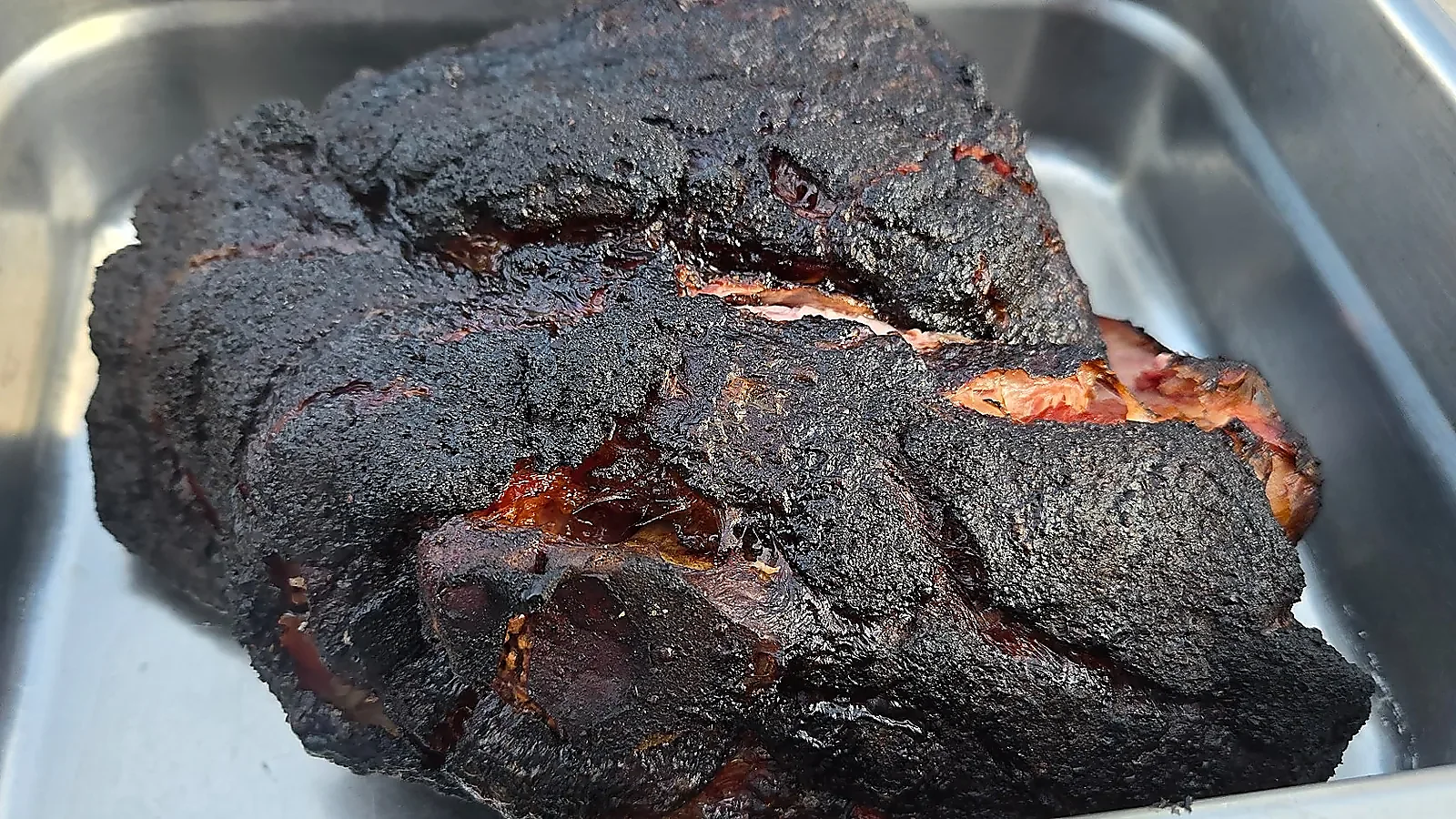
Bark is the dark crust that forms on the outside of smoked meat during a long cook. It comes from seasoning, smoke, fat rendering, and the slow drying of the exterior surface.
That crust is one of the most flavorful parts of barbecue.
The Maillard Reaction and Why It Matters in BBQ
The Maillard reaction is a browning process that occurs when amino acids and sugars react under heat. It is responsible for the roasted flavor in seared steak, toasted bread, and smoked meat bark.
During a long pork butt cook, the rub, meat proteins, and heat combine to create that dark flavorful crust that pitmasters call bark.
How to Pull the Pork
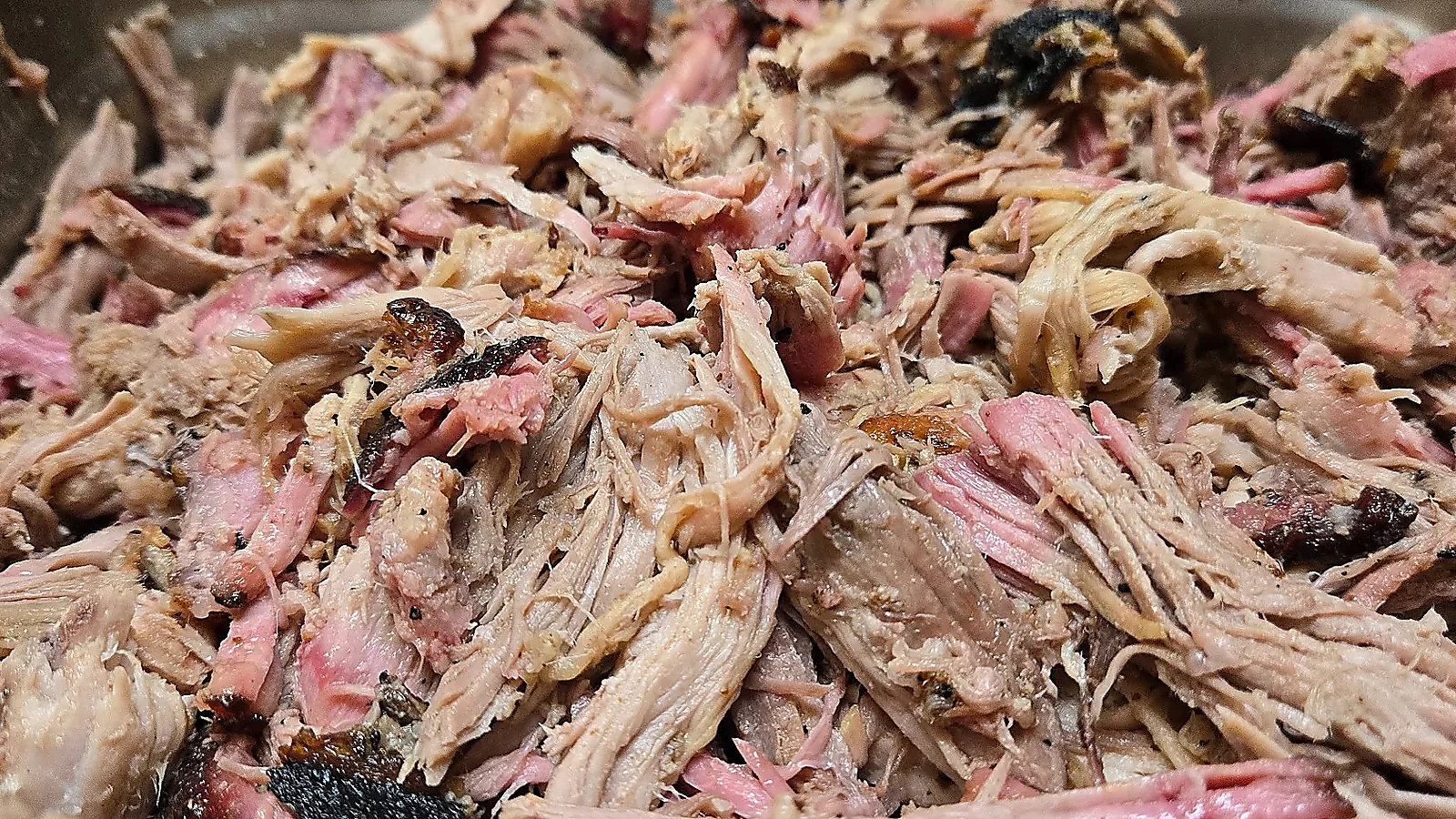
After resting, begin pulling the pork apart by hand or with forks. The meat should separate easily into strands.
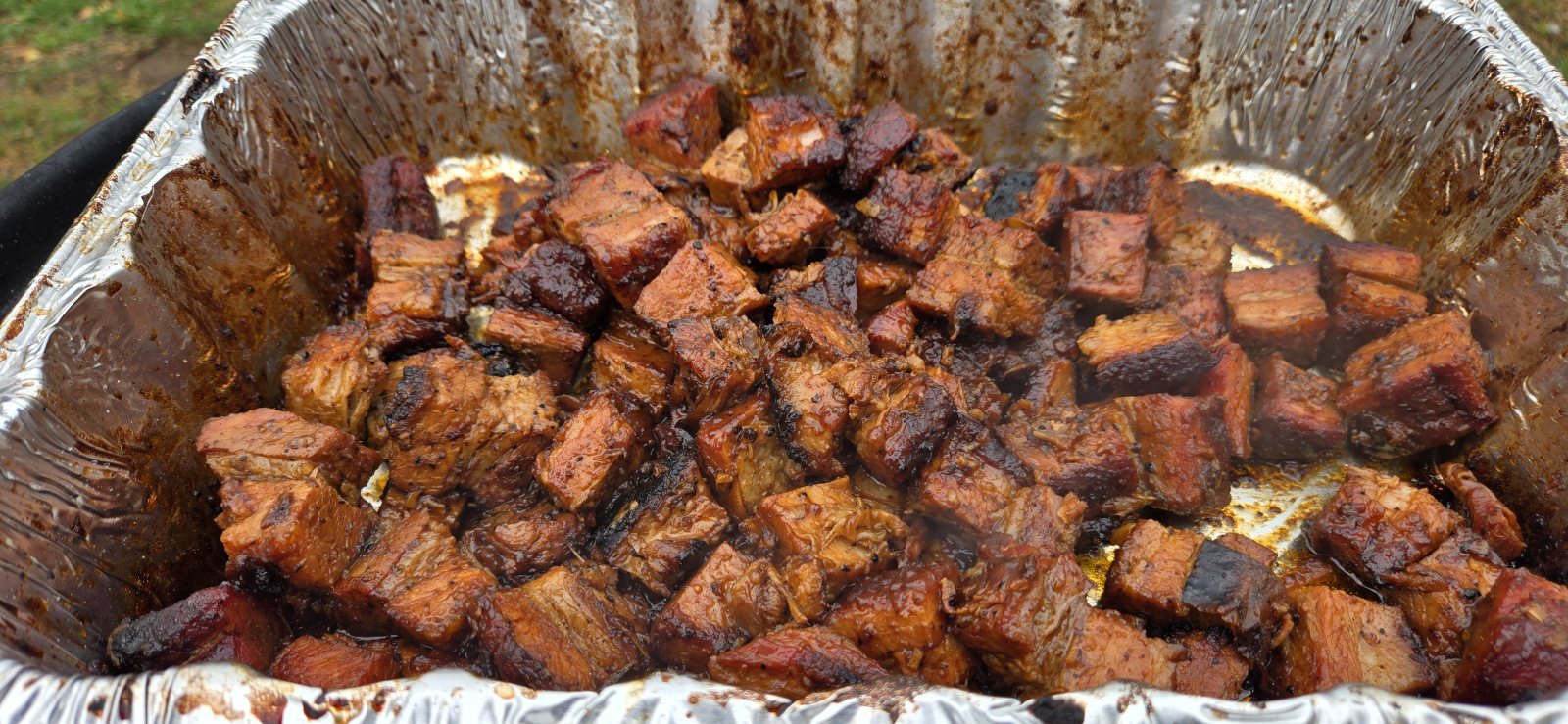
Mix the bark back into the meat so every serving contains both the tender interior pork and the flavorful crust.
Smoked Pork Butt Recipe Summary
Ingredients
- 1 pork butt, 7 to 10 pounds
- PyroDust BBQ Dry Rub Medium
- Smoking wood of choice
Method
- Pat the pork butt dry
- Trim loose fat
- Season heavily with PyroDust BBQ Dry Rub Medium
- Let the rub adhere
- Preheat smoker to 225°F to 250°F
- Smoke until internal temperature reaches 200°F to 205°F
- Rest 30 to 60 minutes
- Pull the pork and mix bark throughout
Final Thoughts
If you want tender smoky pulled pork with real BBQ flavor, pork butt is hard to beat. It is affordable, forgiving, and perfect for long cooks where seasoning, smoke, bark, and time all come together.
Using PyroDust BBQ Dry Rub Medium builds a strong surface flavor and helps create the bark that makes pulled pork stand out.
Keep learning