A lot of people say they love barbecue, but a lot fewer can tell you what style of barbecue they are actually eating.
That is where the confusion starts.
For some people, barbecue means brisket and beef ribs. For others, it means whole hog, pulled pork, dry-rub ribs, chopped pork, chicken with white sauce, or burnt ends with a thick sweet glaze. They are all talking about barbecue. They are just talking about different traditions, different regions, and very different flavor profiles.
That is part of what makes barbecue so good.
It is not one single thing. It changes from region to region, state to state, and sometimes town to town. Sauce changes. Meat changes. Smoke changes. Even the side dishes can tell you a lot about where a plate of barbecue came from.
If you have ever wondered why Carolina barbecue tastes so different from Texas barbecue, or why one place is all about pork while another is built around brisket, this is the place to start.
Why Regional BBQ Styles Matter
Barbecue has always been local.
It grew out of what people had, what they raised, what they could cook low and slow, and what flavors made sense in that place. That is why regional barbecue styles are not just about sauce. They are about meat, wood, seasoning, texture, and the way the finished food gets served.
That also means there is no single right version of barbecue.
There are just different traditions, different flavor priorities, and different ways of getting to good food.
Eastern North Carolina Style
This is one of the most vinegar-forward barbecue styles in the country.
Eastern North Carolina barbecue is built around whole hog and a thin vinegar sauce, usually sharp, peppery, and light enough to soak into the meat instead of sitting on top of it. The goal is not a thick glaze. The goal is bright, tangy pork with enough acid to cut through the richness.
The flavor profile is usually:
- tangy
- peppery
- light on sweetness
- pork-first
The proteins most associated with it are:
- whole hog
- chopped pork
- pulled pork
Common sides include:
- slaw
- hush puppies
- baked beans
- potato salad
This style is one of the clearest examples of barbecue where the meat and vinegar do most of the talking.
Lexington or Piedmont North Carolina Style
Move west within North Carolina and things start to change.
Lexington-style barbecue still centers on pork, but usually pork shoulder instead of whole hog. The sauce is still vinegar-based, but it often picks up a little tomato and a little more body than Eastern North Carolina sauce.
The flavor profile is usually:
- tangy
- lightly savory
- a little deeper and fuller than straight vinegar sauce
- still not heavy or sweet
The proteins most associated with it are:
- pork shoulder
- chopped pork
- pulled pork
Common sides include:
- red slaw
- hush puppies
- baked beans
- fries
This is still clearly Carolina barbecue, but it starts moving away from the pure vinegar profile.
South Carolina Style
South Carolina barbecue gets talked about a lot because it is one of the places where mustard sauce really stands out.
Not every South Carolina barbecue plate is mustard-based, but that yellow, tangy, mustard-forward sauce is one of the state’s best-known signatures. Pork is still the center of gravity, and the sauce can bring vinegar, mustard, sweetness, and pepper together in a way that cuts through rich smoked meat really well.
The flavor profile is usually:
- tangy
- mustard-forward
- savory
- sometimes lightly sweet
The proteins most associated with it are:
- pulled pork
- chopped pork
- whole hog in some traditions
- ribs in some areas
Common sides include:
- coleslaw
- baked beans
- hash and rice
- mac and cheese
If somebody thinks barbecue sauce should have mustard in it, there is a good chance South Carolina is somewhere in the background.
Memphis Style
Memphis is one of the places where pork ribs take center stage.
This is the land of dry rub and wet ribs, pulled pork sandwiches, and barbecue that often leans hard into seasoning, smoke, and bark. Sauce is part of the tradition, but so is the idea that good barbecue does not need to be buried under it.
The flavor profile is usually:
- savory
- smoky
- peppery
- sweet and tangy, depending on the sauce
- heavy on rub flavor
The proteins most associated with it are:
- pork ribs
- pulled pork
- pork shoulder
Common sides include:
- slaw
- baked beans
- potato salad
- fries
Memphis is one of the clearest examples of barbecue where rub and bark can be just as important as sauce.
Kansas City Style
Kansas City barbecue is probably what many people picture when they think of classic American barbecue.
It is broad, meat-friendly, and sauce-friendly. You will see ribs, burnt ends, brisket, pulled pork, sausage, turkey, and chicken. The sauces are usually thicker, darker, sweeter, and more tomato-forward than the vinegar sauces of the Carolinas.
The flavor profile is usually:
- sweet
- smoky
- tangy
- sticky
- rich
The proteins most associated with it are:
- ribs
- burnt ends
- brisket
- pulled pork
- sausage
Common sides include:
- baked beans
- slaw
- potato salad
- cheesy corn
- fries
Kansas City style is broad enough that it can feel like a crossroads of barbecue traditions.
Texas Style
Texas barbecue is big enough that it has its own internal regional differences, but when most people say Texas barbecue, they are usually thinking about beef.
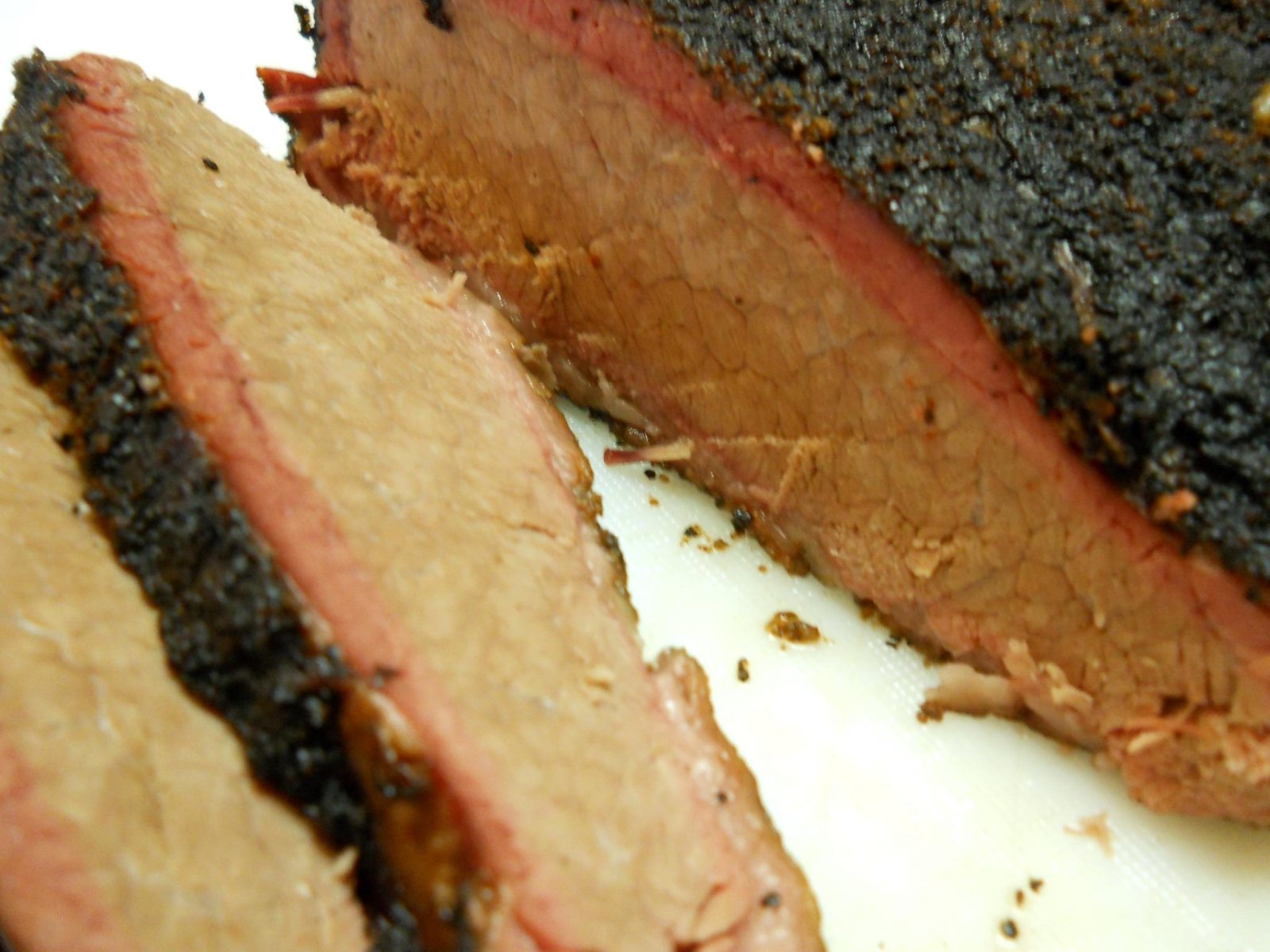
Brisket is the headline. Beef ribs, sausage, and smoked turkey are also big players. Sauce is usually less central than the meat, smoke, bark, and pepper-forward seasoning. In many Texas traditions, barbecue is supposed to stand on its own first, with sauce as an optional extra.
The flavor profile is usually:
- beefy
- smoky
- pepper-forward
- bark-heavy
- less sauce-dependent
The proteins most associated with it are:
- brisket
- beef ribs
- sausage
- turkey
- pork ribs in some regions
Common sides include:
- potato salad
- beans
- coleslaw
- pickles
- onions
- white bread
Texas barbecue often feels like the purest expression of meat, fire, smoke, and seasoning doing the work.
Kentucky Style
Kentucky barbecue gets overlooked, but it has some traditions that stand apart.
In some parts of Kentucky, especially western Kentucky, mutton has a long history in barbecue. You will also find pork and chicken, but mutton is one of the regional signatures that makes Kentucky worth mentioning in any real barbecue conversation.
The flavor profile is usually:
- smoky
- savory
- sometimes a little more aggressive
- sauce can vary from vinegar-forward to darker and richer depending on the area
The proteins most associated with it are:
- mutton
- pork
- chicken
Common sides include:
- beans
- slaw
- potato salad
- cornbread
Kentucky is a good reminder that barbecue history is broader than the handful of styles people hear about most often.
Alabama Style
Alabama gets a lot of attention for one thing in particular... white sauce.
Alabama white sauce, built around mayo, vinegar, pepper, and seasoning, is one of the most recognizable regional sauces in the country. Smoked chicken is one of the classic pairings, though pork and other meats show up too.
The flavor profile is usually:
- tangy
- creamy
- peppery
- savory
The proteins most associated with it are:
- smoked chicken
- pork
- ribs
Common sides include:
- slaw
- baked beans
- potato salad
- mac and cheese
If the Carolinas prove barbecue does not need thick sauce, Alabama proves it does not need red sauce either.
What About the Rest of the World
Barbecue is not just an American thing.
The United States has some of the most talked-about regional barbecue styles, but smoke, fire, skewers, pits, and live-fire meat traditions show up all over the world.
A few major examples stand out.
Argentina
Argentina is known for asado, where beef, sausage, and other meats are cooked over live fire or coals. The flavor tends to lean more on salt, meat quality, and fire than on heavy sauce.
Brazil
Brazilian churrasco is built around fire-roasted meats, often skewered and seasoned simply, with beef, pork, sausage, and chicken all playing a role.
Korea
Korean barbecue is a very different format, usually built around grilling smaller cuts at the table, but it still belongs in the wider barbecue conversation because it is a fire-and-meat tradition with strong regional identity and flavor logic.
South Africa
Braai is more than just grilling. It is a major live-fire cooking tradition built around meat, sausage, smoke, and gathering around the fire.
Caribbean
Across parts of the Caribbean, jerk traditions bring smoke, spice, allspice, pepper heat, and layered seasoning into the barbecue conversation in a way that is very different from American regional styles, but just as serious.
The point is not that all of these are the same.
They are not.
The point is that barbecue, in the broad sense, has always been bigger than one country or one sauce.
The Common Thread
The styles are different, but the common thread stays the same.
Barbecue is usually about:
- smoke or live fire
- slow cooking or careful fire control
- meat that matches the place
- seasoning that reflects local taste
- sides and sauces that balance the richness
That is why regional barbecue matters. It teaches you that barbecue is not one fixed thing. It is a family of traditions.
Final Thoughts
A lot of people grow up thinking barbecue is whatever they were served first.
That is normal.
But once you start learning the regional styles, you realize barbecue is much wider than one sauce, one rub, or one cut of meat. Vinegar pork in the Carolinas, mustard sauce in South Carolina, dry-rubbed ribs in Memphis, burnt ends in Kansas City, brisket in Texas, white sauce in Alabama, and mutton in Kentucky all belong to the conversation.
That is what makes barbecue interesting.
It has roots. It has regional identity. And even when the styles overlap or evolve, you can still taste where the ideas came from.
Keep learning