Fire management is the difference between food that tastes like barbecue and food that tastes like you're licking the inside of an ash tray
Most problems people blame on rubs, meat quality, or cook time are actually fire problems. Dirty smoke, bitter flavor, stalled cooks, rubbery skin, dry meat. All of it traces back to how the fire was built, fed, and controlled.
This guide walks through the most important fire management methods, why they work, when to use them, and what they look like when done correctly.
Two-Zone Fire (The Foundation)
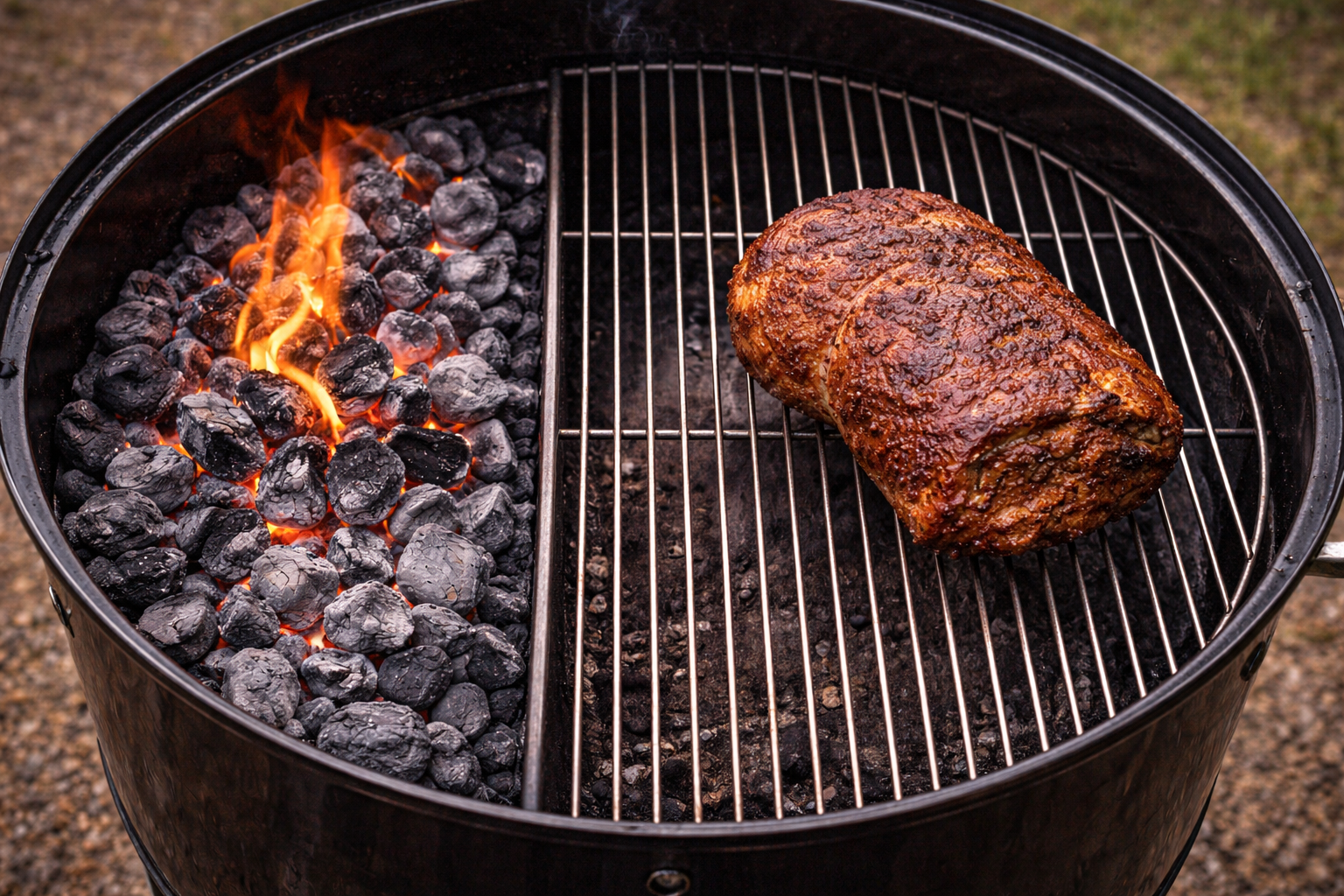
Two-zone fire setup showing direct and indirect heat zones
If you only learn one fire setup, this is it.
A two-zone fire means part of the grill is hot and part of it is not. Coals are banked to one side, leaving the other side clear. You control cooking by moving food between zones instead of constantly adjusting vents or panicking when things heat up too fast.
This setup gives you control without complexity. Food can sear over direct heat, then finish gently on the indirect side. If flare-ups happen, you move the meat instead of fighting the fire.
Two-zone cooking also teaches fire awareness. You start paying attention to where heat actually lives inside your cooker, instead of trusting a single thermometer number.
Best uses
- Chicken pieces where skin needs rendering but meat needs protection
- Thick steaks and chops
- Reverse sear cooks
- Any cook where timing matters
If everything is directly over fire, you have no safety net.
The Minion Method (Bullet and Vertical Smokers)
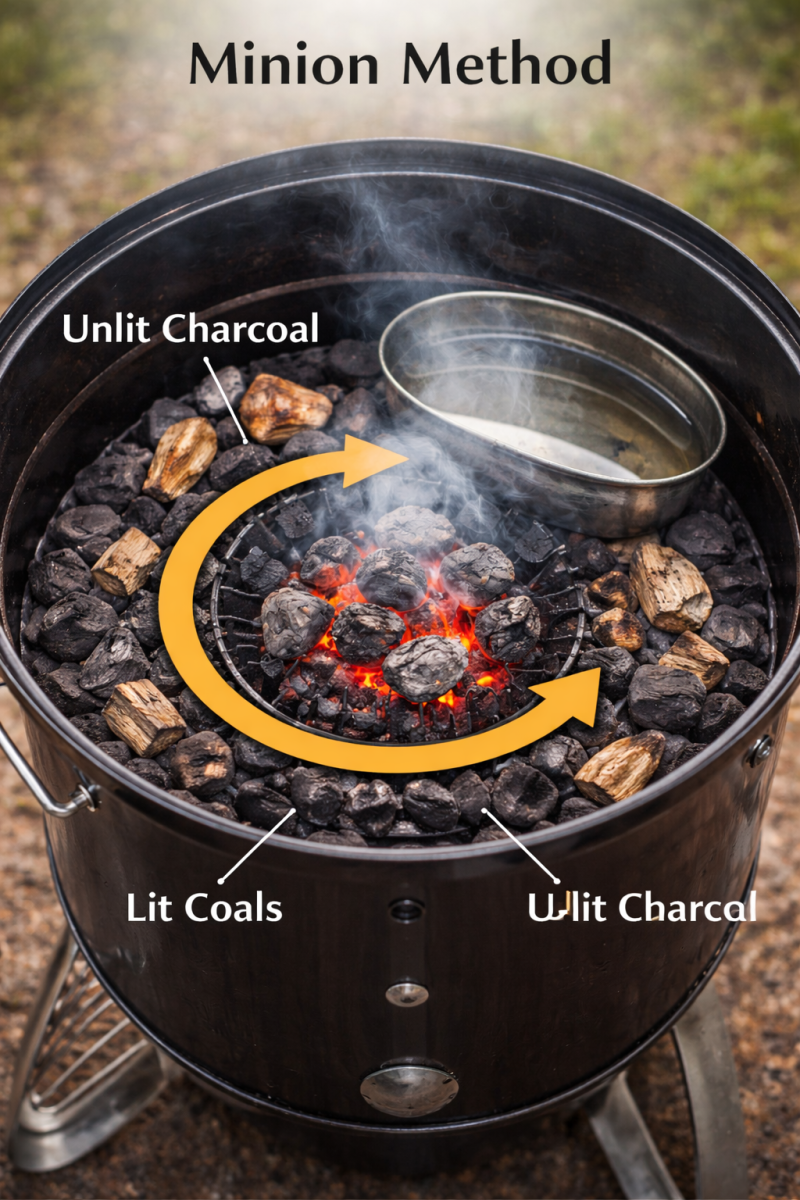
Minion method charcoal setup in a bullet smoker
The Minion Method is designed for long, steady cooks in bullet and vertical smokers.
Unlit charcoal fills the basket. A small number of fully lit coals are added on top or to one side. Instead of igniting everything at once, the fire slowly spreads as needed. This creates stable temperatures for hours with minimal intervention.
The strength of this method is predictability. When airflow is set correctly, the fire burns at a controlled pace without constant refueling. This is why it works so well for overnight cooks and large cuts.
The most common mistake is lighting too many coals at the start. That turns the Minion Method into a standard hot fire and defeats the purpose entirely.
This method rewards restraint. Let the fire grow naturally instead of forcing it.
The Snake Method (Kettle Grills)
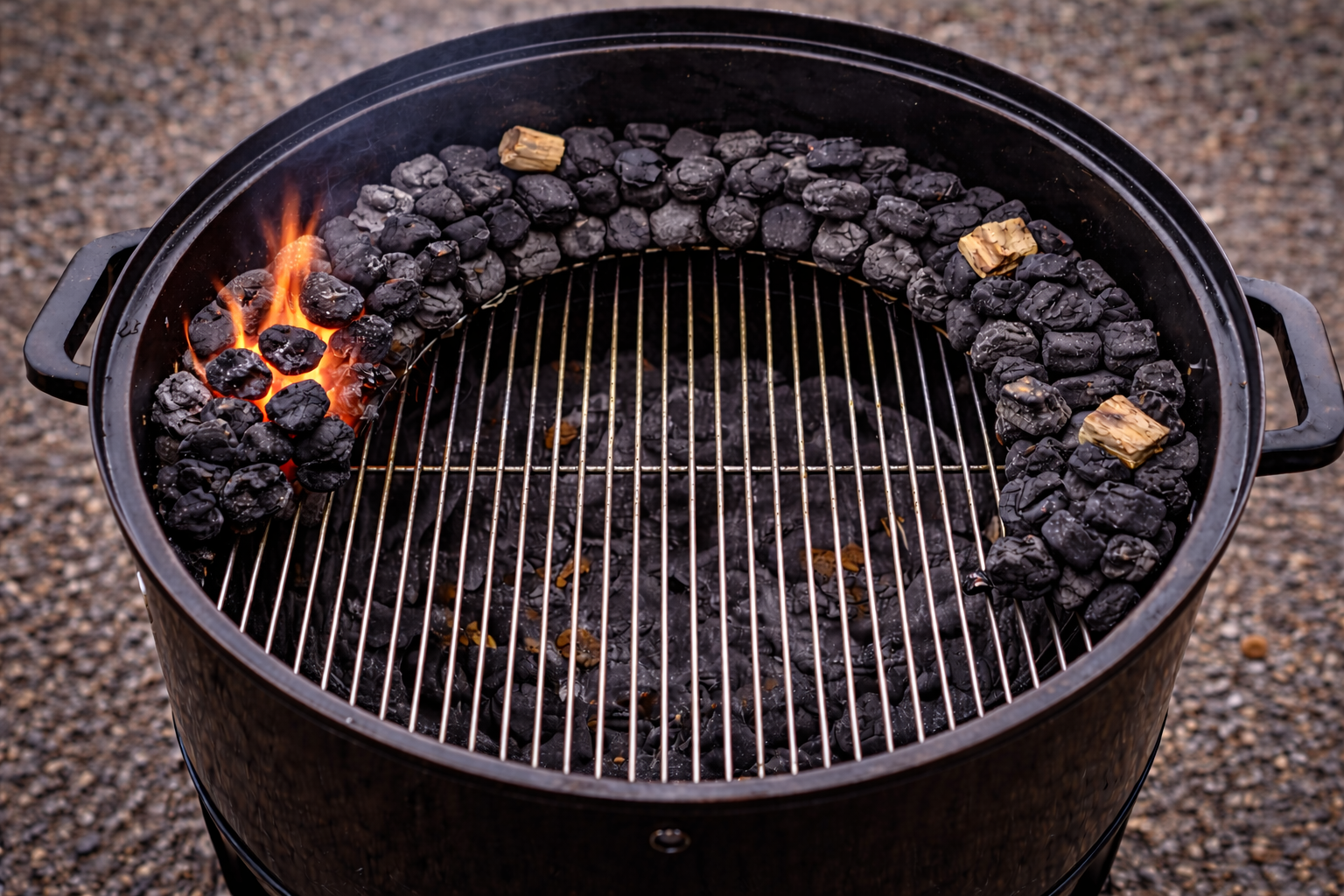
Snake method charcoal layout inside a kettle grill
The snake method is a controlled burn designed specifically for kettles.
Charcoal is arranged in a curved line around the perimeter of the grill, often two briquettes wide and one high. Only one end is lit. The fire burns slowly along the snake instead of igniting all the fuel at once.
This method allows long, indirect cooks in a grill that is normally associated with hot and fast cooking. It is especially useful when cooking ribs, pork butt, or poultry at moderate temperatures.
The snake method is sensitive to wind and weather. Strong airflow can cause it to burn faster than intended. Proper vent control and placement matter more here than with the Minion Method.
When dialed in, it turns a simple kettle into a reliable low-and-slow cooker.
Clean Burn Firebuilding (Wood and Splits)
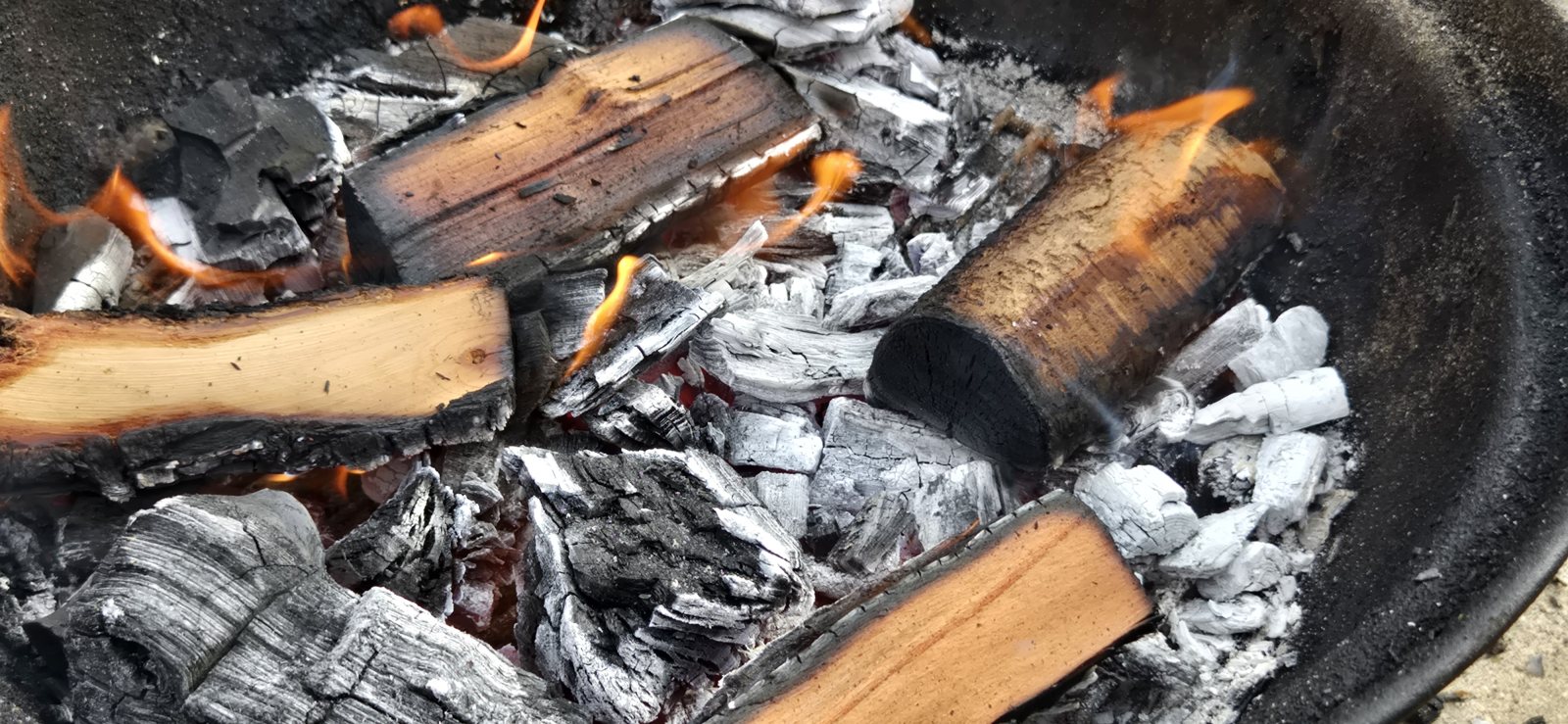
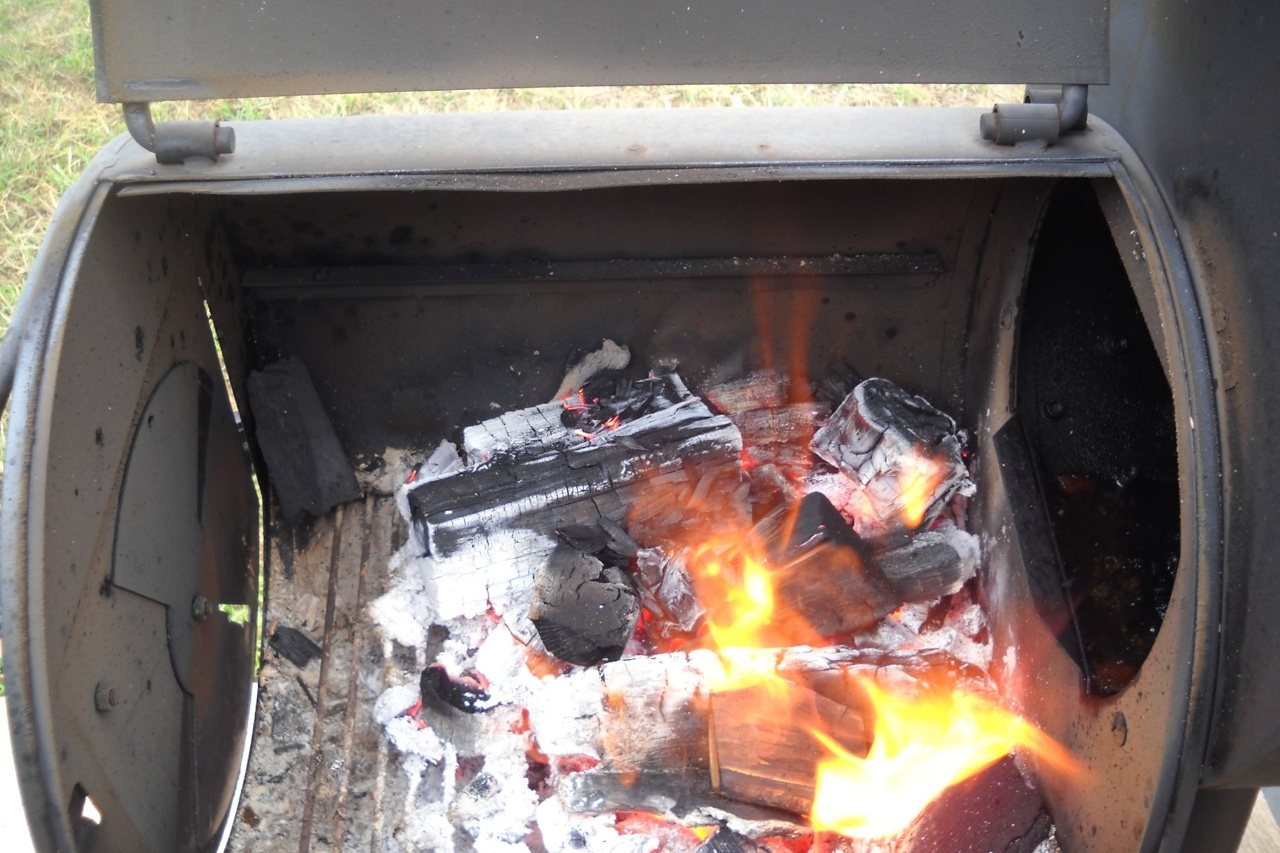
A clean fire starts with a coal bed, not a log.
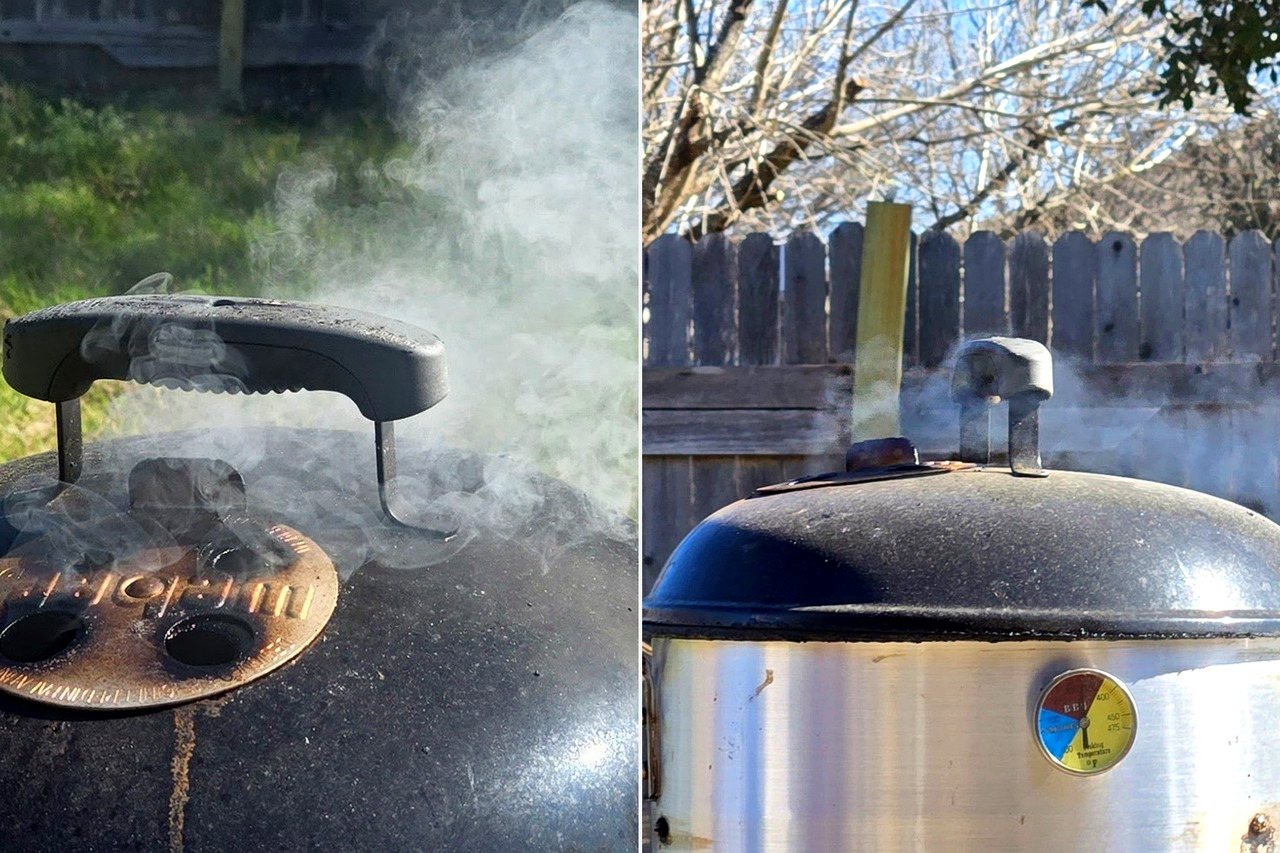
Wood burns clean only when it has enough heat and oxygen. Tossing cold splits onto a weak fire creates smoldering wood instead of combustion. That produces thick white smoke loaded with bitter compounds.
The goal is flame, not smoke. A healthy fire shows visible flame licking the wood, not logs sitting and smoldering. Preheating splits helps drive off surface moisture so they ignite quickly instead of choking the fire.
Split size matters. Smaller splits ignite faster and burn cleaner. Oversized logs overwhelm the firebox and reduce airflow.
If the fire is not actively burning, the smoke will not be clean.
Air Control: Feeding vs Choking
Fire temperature should be controlled by fuel first, air second.
Closing vents to lower temperature often creates dirty smoke because the fire is starved of oxygen. The fuel keeps burning, just inefficiently. This produces heavy smoke and bitter flavor.
A better approach is to control heat by managing fuel quantity and fire size. Let the exhaust vent stay open so smoke can escape freely. A clean-burning fire needs oxygen.
Choking airflow has its place, but it is limited. It is useful for shutting a cooker down or holding temperature briefly in stable conditions. It should not be the primary temperature control method during an active cook.
Most dirty smoke problems are airflow problems in disguise.
Wind Management
Wind acts like a bellows whether you want it to or not.
Air forced into the intake increases combustion, raises temperatures, and accelerates fuel burn. Sudden temperature spikes during a cook are often caused by wind, not fuel changes.
Wind also creates uneven airflow. One side of the cooker may run hotter than the other, leading to inconsistent results across the grate.
Positioning matters. Turn intake vents away from the wind when possible. Use simple windbreaks when needed. Expect higher fuel consumption on windy days.
Ignoring wind is one of the fastest ways to lose control of a fire.
Ash Management
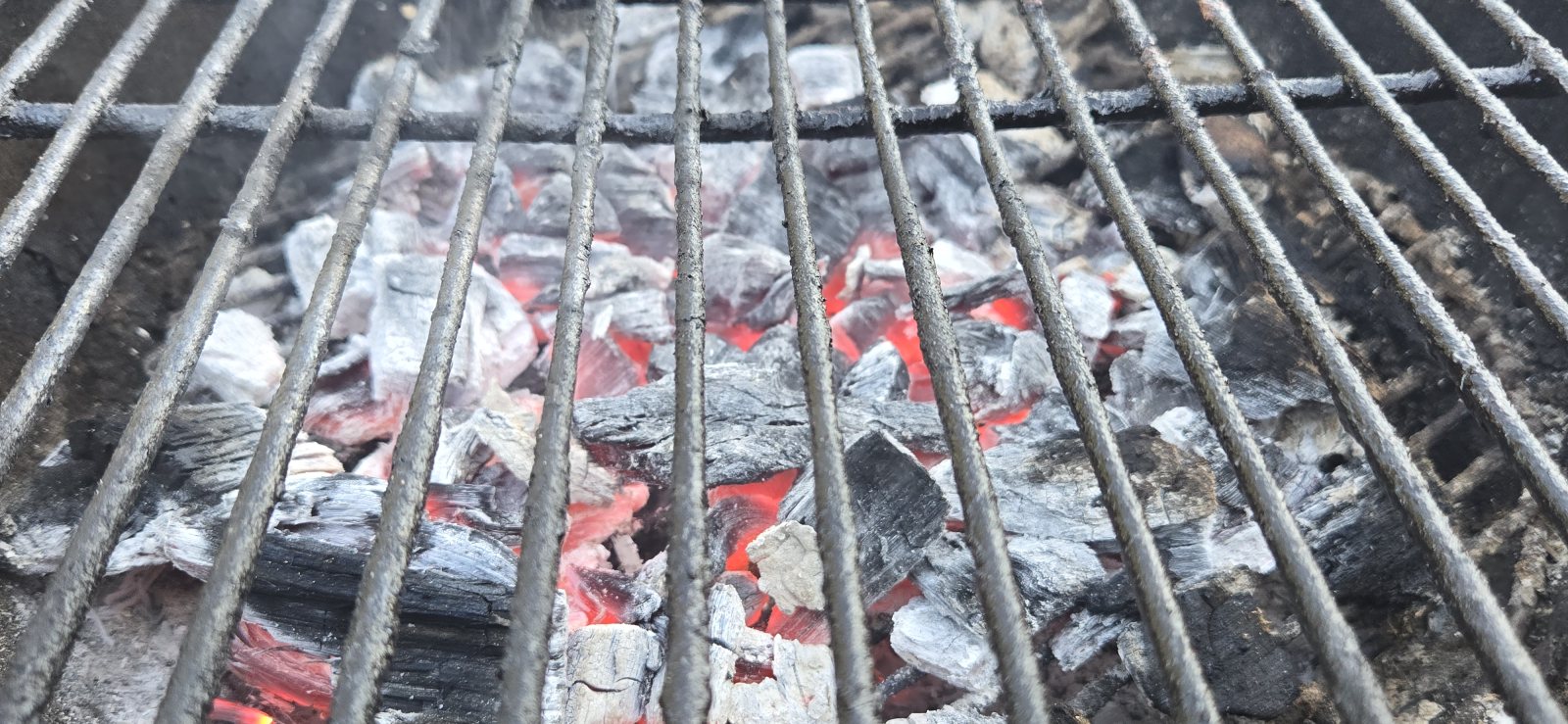
Ash blocks airflow from underneath the fire.
As charcoal burns, ash accumulates and restricts oxygen flow through the grate. The fire may still look active, but combustion quality drops as airflow decreases.
During long cooks, ash needs to be managed. Knock it down periodically so fresh air can reach the fire. Clear ash trays before starting a cook so airflow is not restricted from the beginning.
A fire can appear alive and still be suffocating underneath.
What All of This Adds Up To
Fire management is not about chasing temperatures. It is about creating conditions where clean combustion happens consistently.
When the fire is right, smoke smells clean, food tastes balanced, and cooking becomes predictable. When the fire is wrong, no rub or sauce can fix it.
Get the fire right first. Everything else follows.
Keep learning