Bark is the dark, savory crust that forms on smoked and grilled meat. When it’s right, it tastes roasted, deep, a little sweet, a little smoky, and it adds texture. When it’s wrong, it goes bitter, ashy, or turns into a hard shell that fights the knife. This guide is about getting the good version on purpose, not by luck.
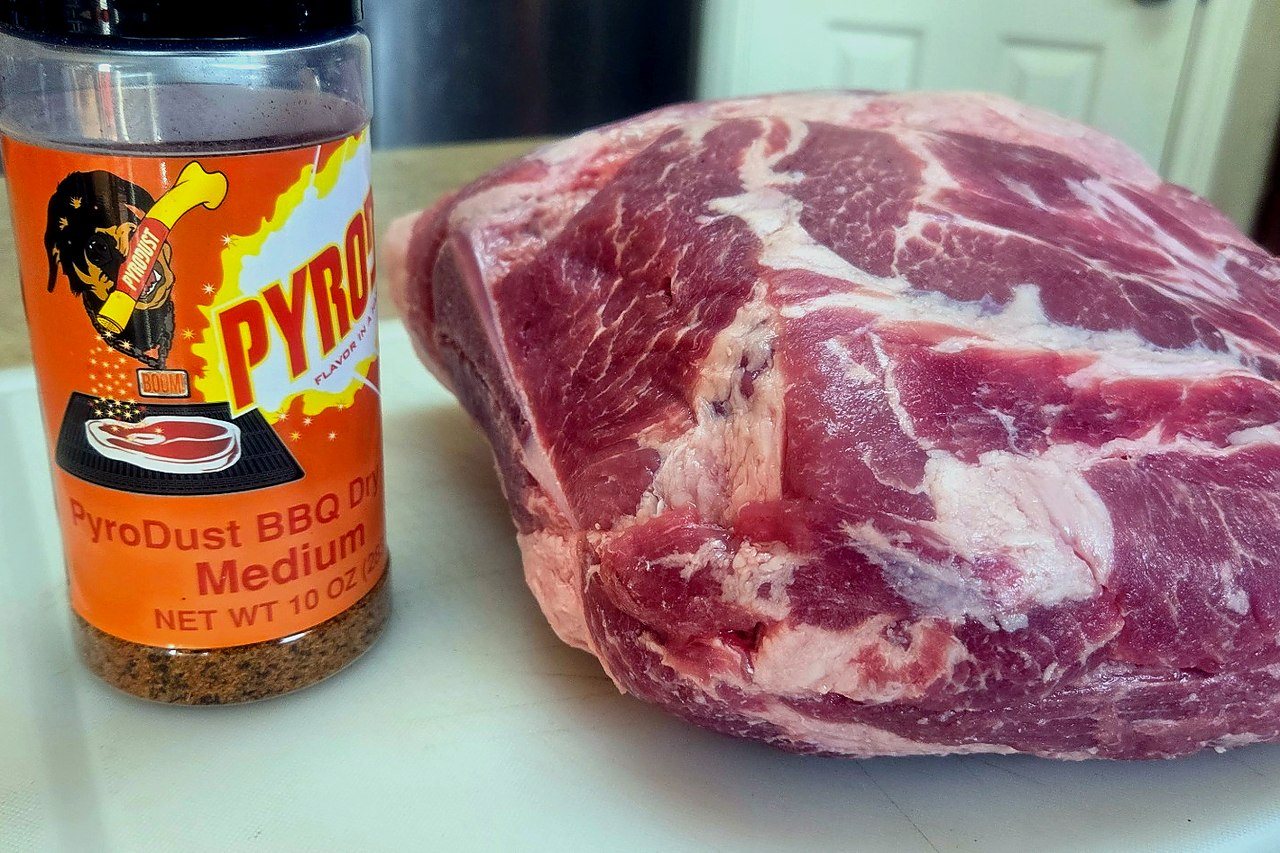
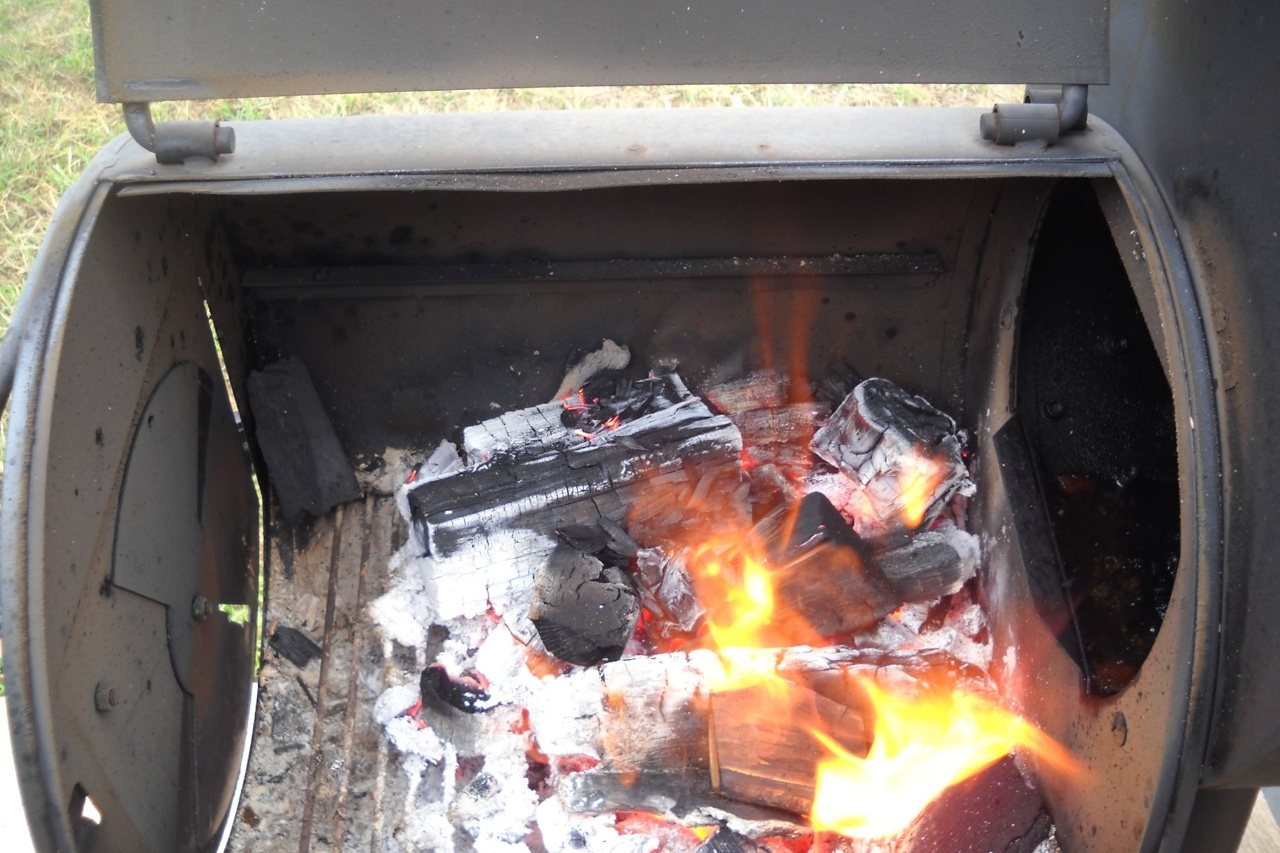
The “before” picture… plenty of protein on the surface, plenty of potential. What you build from here is controlled browning.
WHAT BARK IS, AND WHAT IT ISN’T
Bark is dried, concentrated surface proteins, spices, smoke compounds, and rendered fat that have been cooked long enough to brown into something bigger than the sum of its parts. It’s a texture change as much as it is a color change… a crust that sticks, sets, and bites clean, not a paste that smears.
Bark is not the smoke ring. The smoke ring is a curing style reaction in the meat itself, bark is surface chemistry and dehydration. Bark also isn’t “burnt” by default. Bark is controlled browning. Burnt is uncontrolled charring, which is where you get the black, flaky, bitter, ashtray vibe. And bark is not just “rub plus smoke.” Rub and smoke help, but bark only happens when the surface dries and heat has time to do the work.
THE CORE IDEA
Bark forms when three things line up… the surface dries, the surface gets hot enough for browning, and you give it time. If the surface stays wet, it hangs around the boiling point of water and browning crawls. Once it dries, the surface temperature can climb, and the real flavor reactions start moving.
THE SCIENCE IN PLAIN ENGLISH
The Maillard reaction is the main bark engine. It’s what gives roasted, savory flavor to seared steak, toasted bread, and good BBQ bark. It’s a chain of reactions between amino acids (from proteins) and reducing sugars, and it starts picking up speed once the surface gets into the ballpark of 280°F to 330°F (138°C to 165°C), then accelerates as temperatures climb. For BBQ, that matters because Maillard creates a huge range of flavor compounds that read as roasted, nutty, beefy, and savory, but it needs heat and a surface that isn’t swimming in water.
Caramelization is a helper, not the boss. That’s sugars breaking down at higher temps, and it can add sweetness and darker color, but if you lean too hard on sugar in long cooks, it can scorch or go bitter. A solid rule of thumb is this… on long cooks, use less sugar, or keep the sweetness out of the rub and bring it in later with sauce or glaze. On hot and fast cooks, sugar can work, but it still needs attention, because once it starts darkening it can go from “nice” to “burnt” quick.
Smoke and fat are part of the bark story too. Smoke particles and gases stick best when the surface is tacky. Rendered fat and melted spices form a thin sticky layer that tightens as water leaves and heat keeps going, almost like a lacquer. Bark is usually that whole combination… dehydration, rub chemistry, rendered fat, smoke compounds, and Maillard browning stacked together, not one single magic trick.
THE SIX LEVERS THAT CONTROL BARK
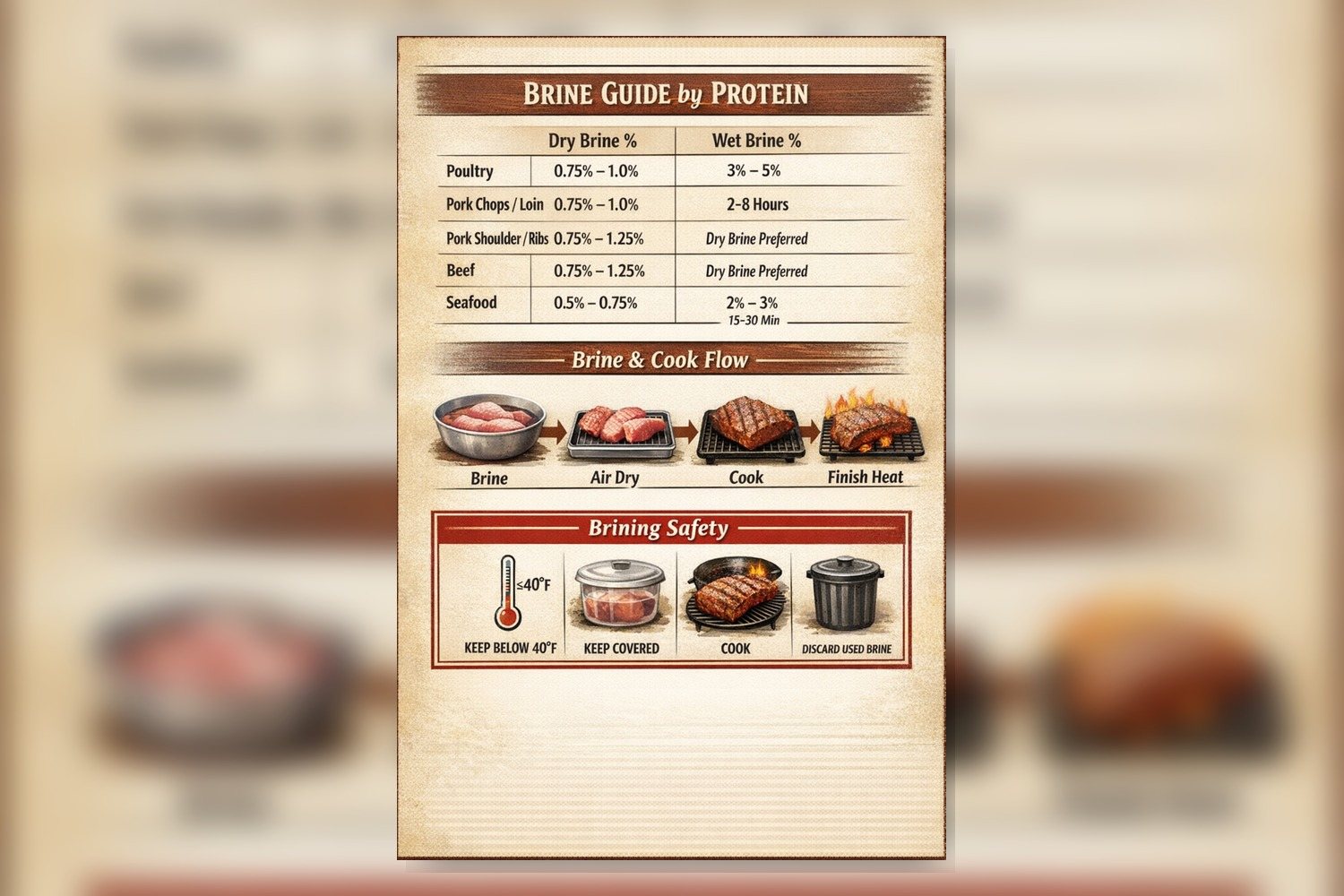
Lever one is surface prep. Trim hard fat that won’t render but leave enough fat for protection. Dry brine if you can… salt pulls out moisture, then that moisture reabsorbs, so you get better seasoning and a surface that dries more predictably. And if the surface is wet, pat it dry before you rub.
Lever two is rub structure. Think of rub as building materials. Salt and pepper are the foundation. Paprika and chili powders help with color and a mild sweet note. Garlic and onion powders bring savory depth. Sugar is optional, and it gets risky on long cooks if you run hot or hit hot spots. Binders are only there if you need them. Mustard, hot sauce, or a light oil film can help rub stick, but don’t create a wet layer that delays drying.
Lever three is cooker temp and airflow. Bark likes steady heat and enough airflow to move moisture away. Too low and too humid, bark can stall. Too hot too early, you can set a crust before the fat renders and it can go hard.
Lever four is humidity and spritzing. Water pans increase humidity, which can help smoke adhesion early, but they can slow bark if the surface stays too wet for too long. Spritzing cools the surface and adds water, so use it only when there’s a reason, like preventing dry edges or controlling hot spots. If bark is your priority, spritz less and let the surface dry.
Lever five is wrapping. Wrapping is always a bark trade. Foil speeds cooking and retains moisture, but it softens bark. Butcher paper breathes more, so you keep more bark while still pushing through the stall. The later you wrap, the stronger the bark, but you can risk drying out if you wait too long.
Lever six is the rest. Resting is where bark and juiciness both improve. Carryover heat finishes rendering, juices redistribute, and bark firms up, especially if you vent steam for a few minutes before holding.
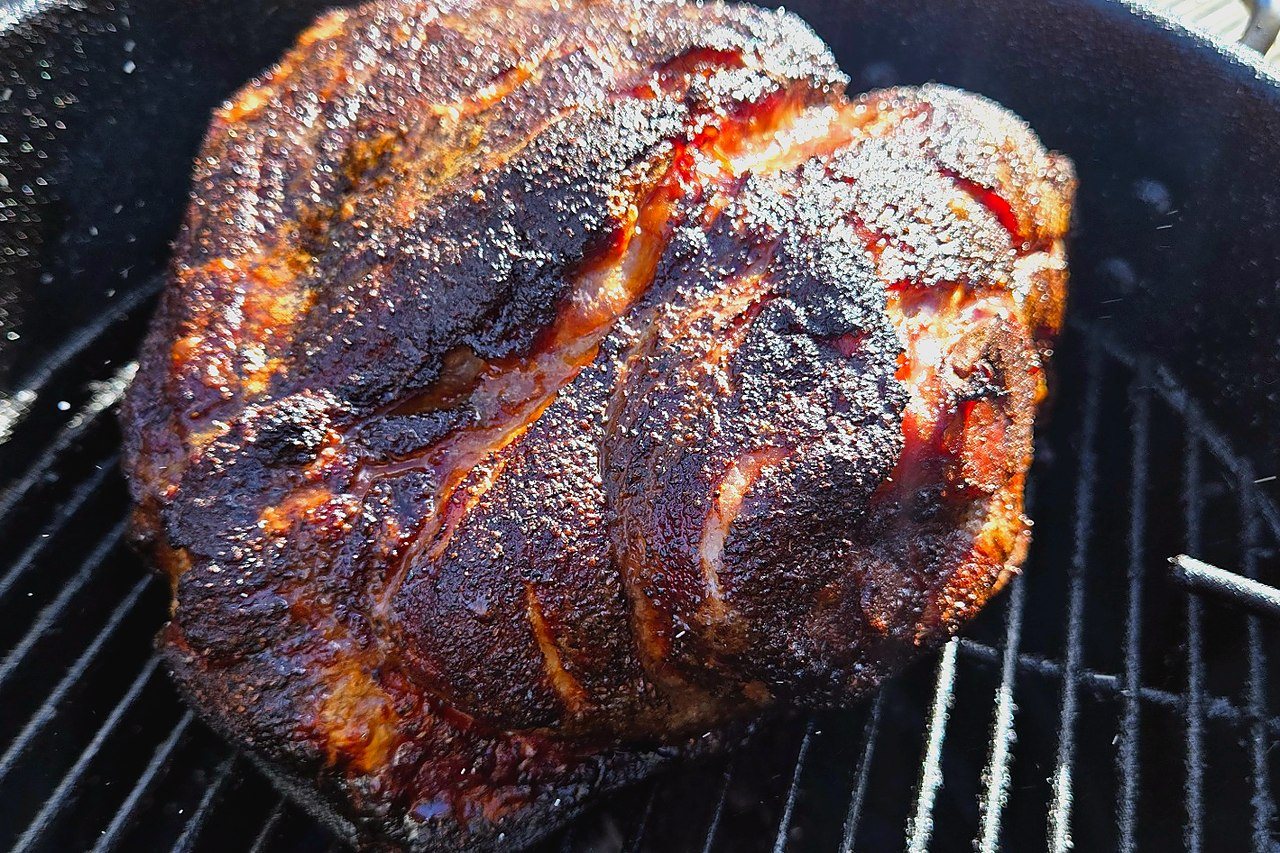
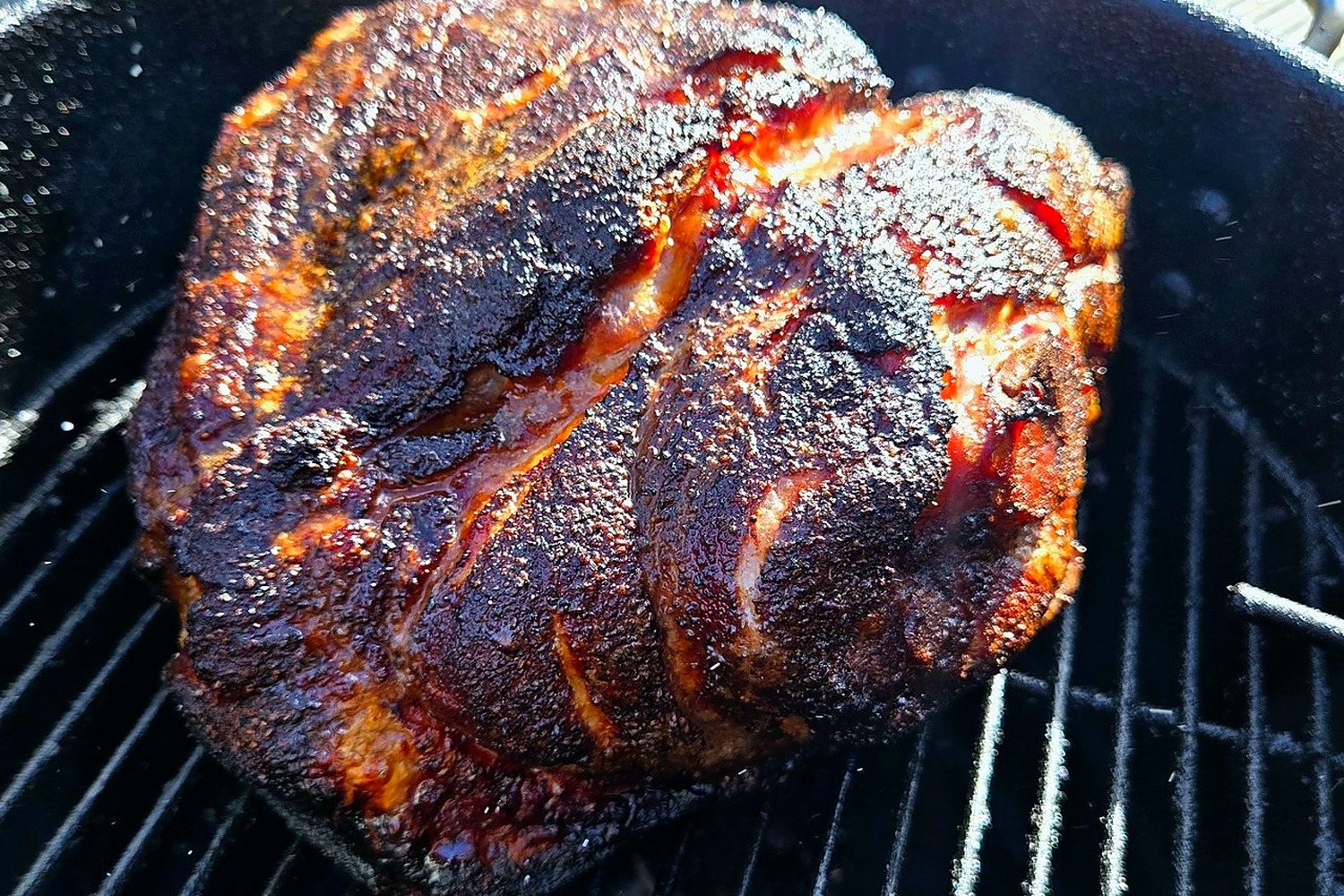
This is where Maillard shows up in BBQ… a darkening crust that’s not just color, it’s flavor.
STEP BY STEP, A RELIABLE BARK BUILD
Pork butt
Trim any thick hard fat caps and leave a reasonable layer that can actually render. Salt ahead of time if possible, even 4 to 12 hours helps. Pat dry, apply rub, and press it in… don’t cake it. Run the cooker steady, usually 250°F to 275°F. Don’t spritz early unless you’re fighting scorching, let the surface dry. Once bark is the color you want and it doesn’t wipe off with a light touch, you can wrap if you need to push through the stall. Cook until probe tender, not a target number. Vent for a minute, then rest wrapped in a warm place.
Brisket
Trim for airflow and even cooking and remove hard fat knobs. Dry brine if you can because brisket rewards it. Keep rub simple and savory, brisket bark usually doesn’t need sugar. Give it time unwrapped because brisket bark forms late. Wrap when bark is set and you’re happy with color… paper if you care about bark, foil if you care about speed. Rest long, brisket bark tightens during the hold.
Ribs
Remove the membrane if you want better seasoning adhesion. Use a rub that can handle higher heat, and if there’s sugar, keep temps honest so it doesn’t burn. If you wrap ribs, know you’re trading bark for tenderness. If you want barkier ribs, go unwrapped longer and glaze late.
Chicken
Chicken “bark” is different, because skin is its own system. If you want bite-through skin, you need higher heat at the end and you must avoid wet skin. If you cook chicken low and slow the whole way, skin can go rubbery. That’s not a bark problem, it’s physics.
STEAK, THE FAST MAILLARD DEMO
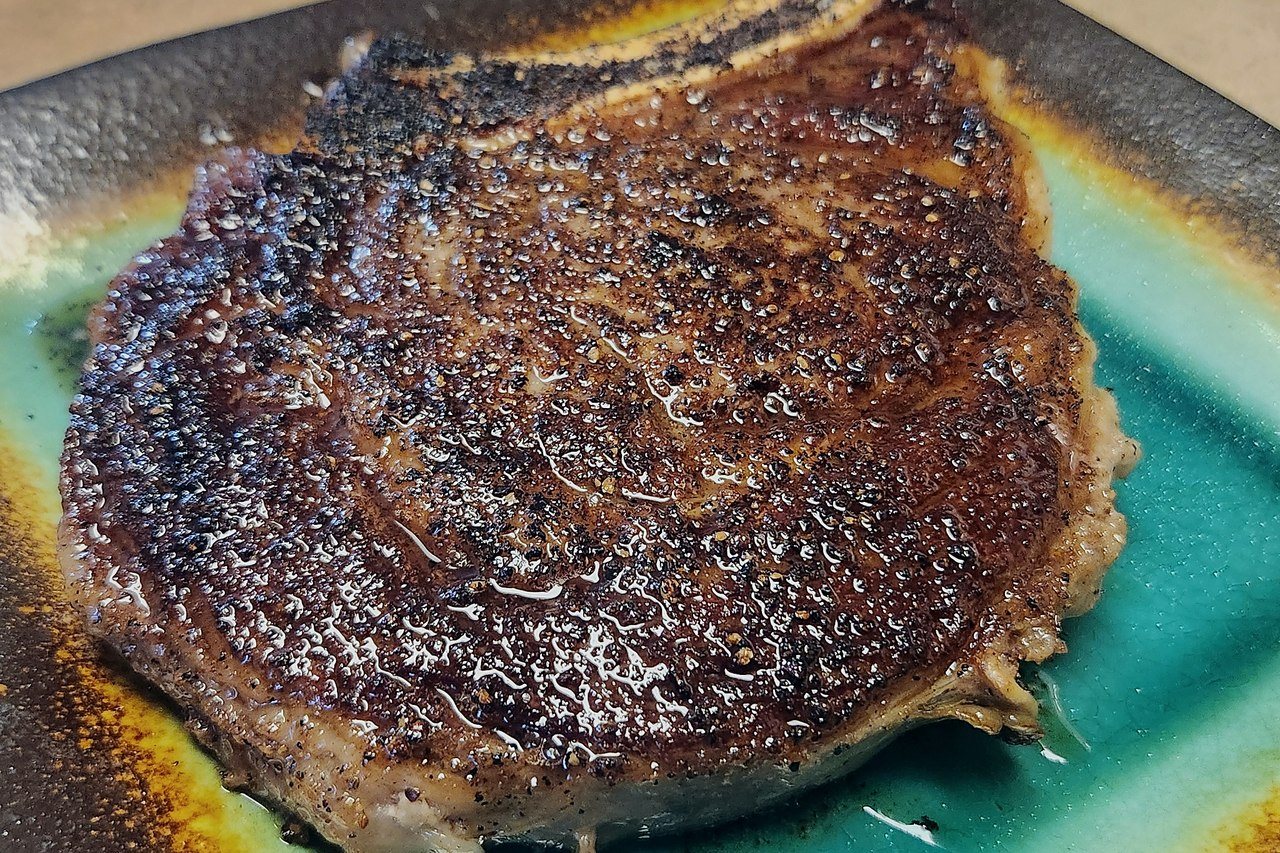
If you want to understand bark in 60 seconds, sear a steak and taste the crust. That roasted, savory punch is Maillard, and BBQ bark is the same concept stretched over hours. Steak crust is Maillard in the most obvious form… dry surface plus high heat equals roasted flavor.
TROUBLESHOOTING
If bark won’t set and it stays soft or wipes off, the usual culprits are too much humidity, too much spritzing, or pit temp running too low. Another common one is too much sugar melting and staying tacky. The fix is usually simple… bump pit temp slightly, improve airflow, spritz less, and wait longer before wrapping, or switch to butcher paper.
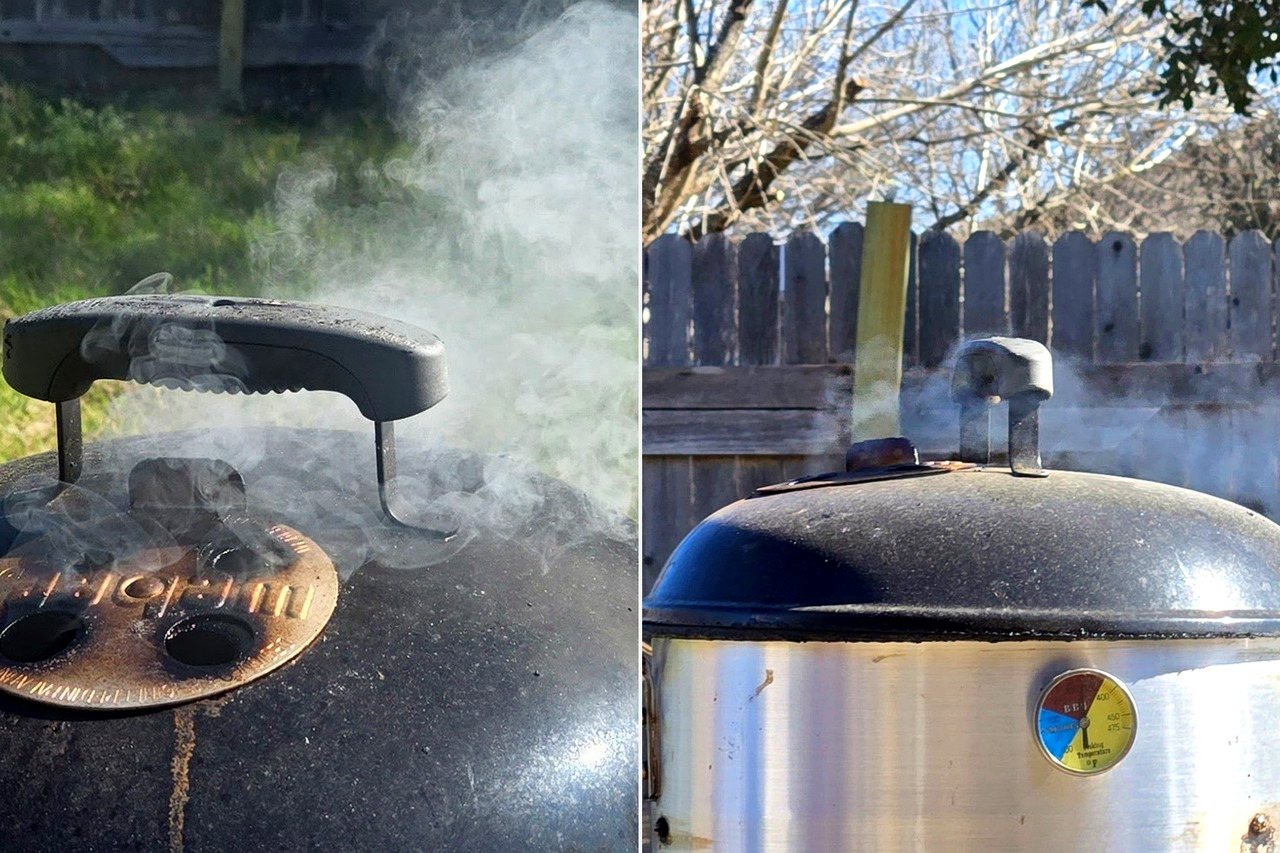
If bark is bitter, ashy, or black, fix the smoke first. Dirty smoke, restricted airflow, flare-ups, and soot will wreck bark fast. Sugar scorching can do it too. Run a cleaner fire with more oxygen and thinner smoke, then back off the sugar or apply sweetness later.
If bark is too hard, it’s often too hot too early, or it cooked unwrapped too long after bark was already set. Wrap sooner once bark is set, or lower temps a touch, then rest properly and don’t hold in a way that dries the surface out completely.
If rub falls off, it’s usually a wet surface, too much rub, or too much handling early. Pat dry, apply rub, let it sit, and avoid touching it early in the cook.
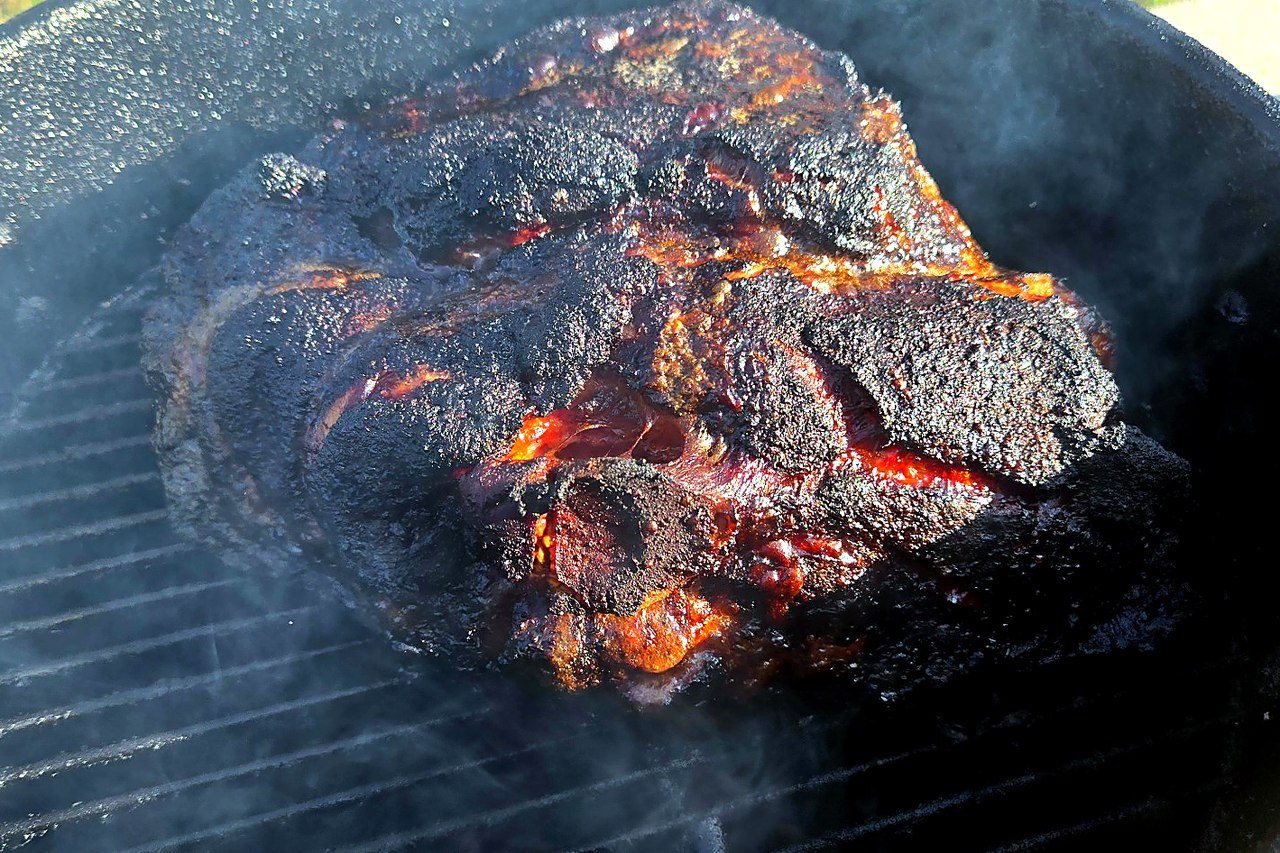
Mid-cook reality… the surface has to dry before it can really start browning hard.
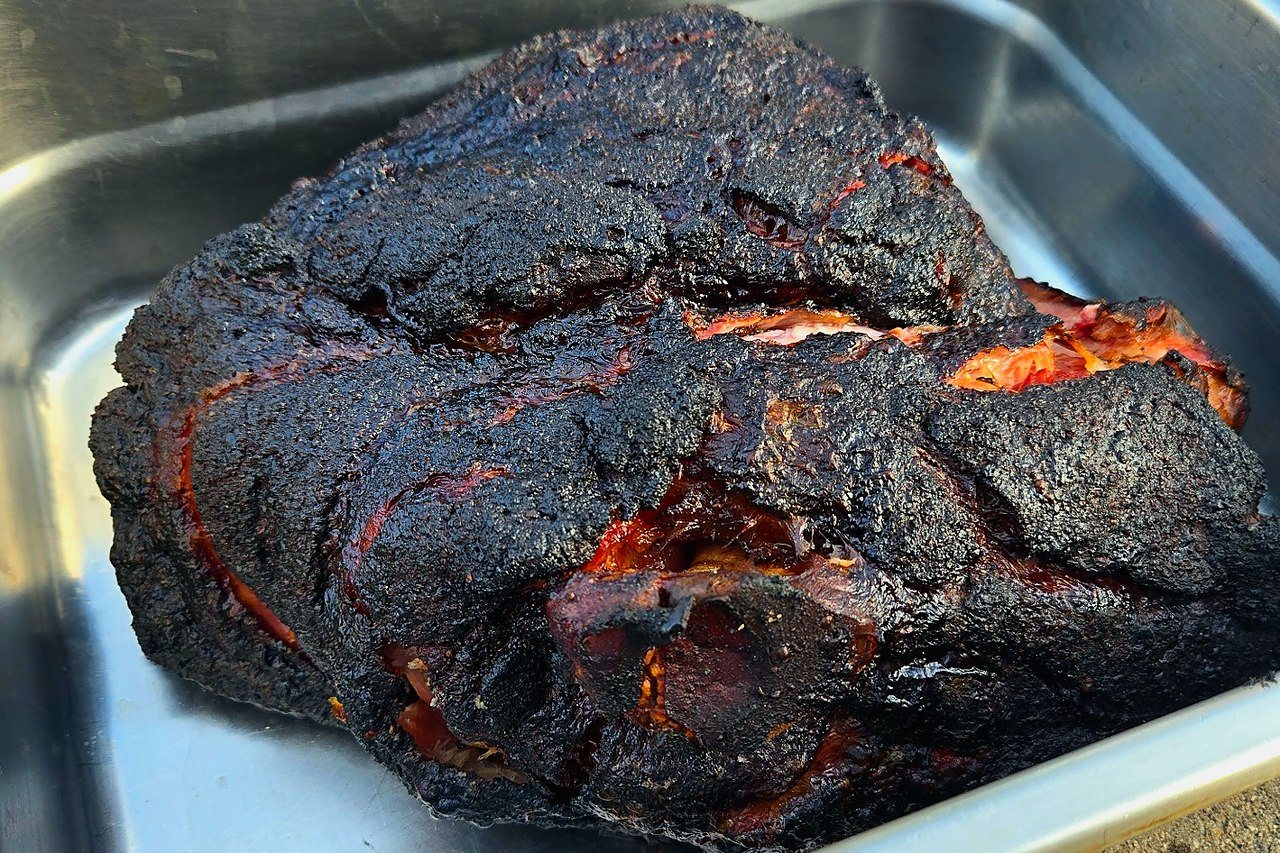
Rested, finished, and barked up… this is the payoff when you let browning develop instead of fighting it.
BARK QUICK CHEAT SHEET
If you want more bark, dry brine when you can, pat dry, run 250°F to 275°F, spritz less, wait longer to wrap, and use paper. If you want softer bark, use more humidity, wrap earlier, use foil, sauce earlier, and hold longer wrapped. If your bark tastes bitter, fix the smoke first… thin blue smoke beats billowing white smoke every time.
SAFETY NOTE, CHAR AND BLACK CRUST
A dark bark is not automatically “char.” True char is black, flaky, bitter, and it usually comes from too much radiant heat, flare-ups, or dirty smoke. Keep the fire clean, avoid dripping fat flames, and you stay in the bark zone, not the ash zone.
LINKS
Maillard reaction review (MDPI Foods): https://www.mdpi.com/2304-8158/14/11/1881
Keep learning