Sticky, smoky BBQ candy made from whole pork belly
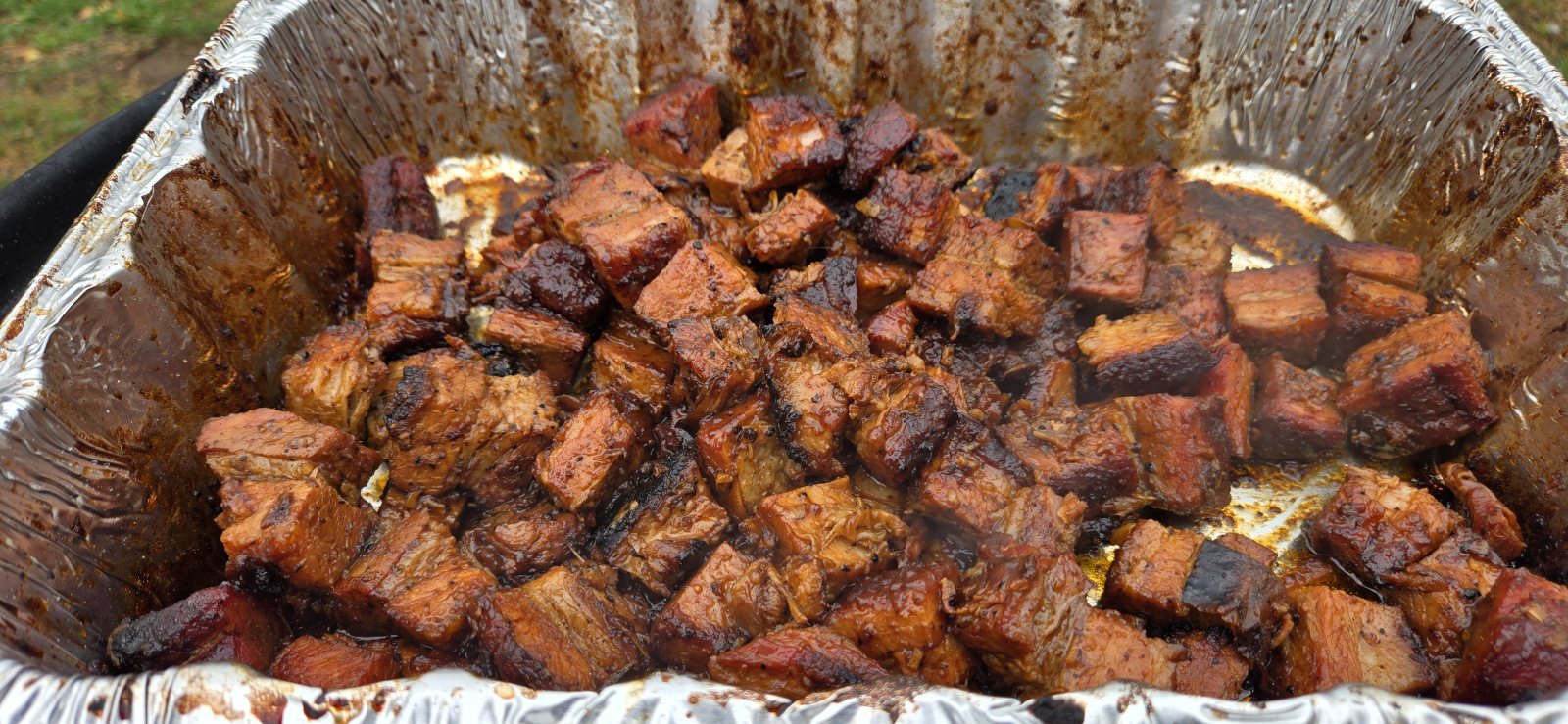
Pork belly burnt ends are one of those BBQ recipes that disappear as fast as you can make them. When cooked low and slow, pork belly becomes incredibly tender, and when finished in sauce over the fire it turns into sticky, smoky bites packed with flavor.
Instead of cubing the pork belly first, this method cooks the belly whole with the fat cap scored, allowing the fat to render slowly before it’s cut into cubes and finished as burnt ends.
The result is juicy pork with caramelized edges and a thick BBQ glaze that clings to every bite.
What Cut of Pork Is Pork Belly?
Pork belly comes from the underside of the pig, specifically the belly section that runs between the shoulder and the hind leg. It is a long, thick cut made up of alternating layers of meat and fat.
Because pork belly contains a high amount of fat, it becomes extremely tender when cooked low and slow. As the fat renders during cooking, it keeps the meat juicy while also helping develop rich BBQ flavor.
This balance of fat and meat is exactly why pork belly works so well for burnt ends, where the goal is tender pork with caramelized edges and a sticky glaze.
Pork Belly and Bacon
Pork belly is also the same cut used to make bacon.
Traditional bacon starts as pork belly that is:
- cured with salt and seasonings
- often smoked
- sliced into thin strips
The curing process removes moisture and adds flavor, which gives bacon its distinct taste.
When pork belly is cooked fresh, like in this burnt ends recipe, the texture is completely different from bacon. Instead of thin slices, you get thick cubes of pork that are tender inside with rendered fat and a caramelized BBQ glaze.
You can think of pork belly burnt ends as BBQ-style bacon in cube form, with slow-smoked flavor on every side.
Ingredients
- 3 to 4 pound pork belly, skin removed
- PyroDust BBQ Dry Rub
- 1 cup BBQ sauce
Optional additions for the glaze:
- 2 tablespoons butter
- 2 tablespoons brown sugar
- 1 tablespoon honey
Preparing the Pork Belly
Start with a whole slab of pork belly with the fat cap intact.
Using a sharp knife, score the fat cap in a 1 inch grid pattern. This helps seasoning penetrate the fat while also allowing the fat to render evenly during cooking.
Once the pork belly is scored, season the entire slab generously with PyroDust BBQ Dry Rub, making sure to work seasoning into the scored fat as well as the sides and bottom of the meat.
Let the pork sit for about 15 to 20 minutes while preparing the smoker or grill.
Smoking the Pork Belly
Set your smoker or grill for indirect heat around 250°F.
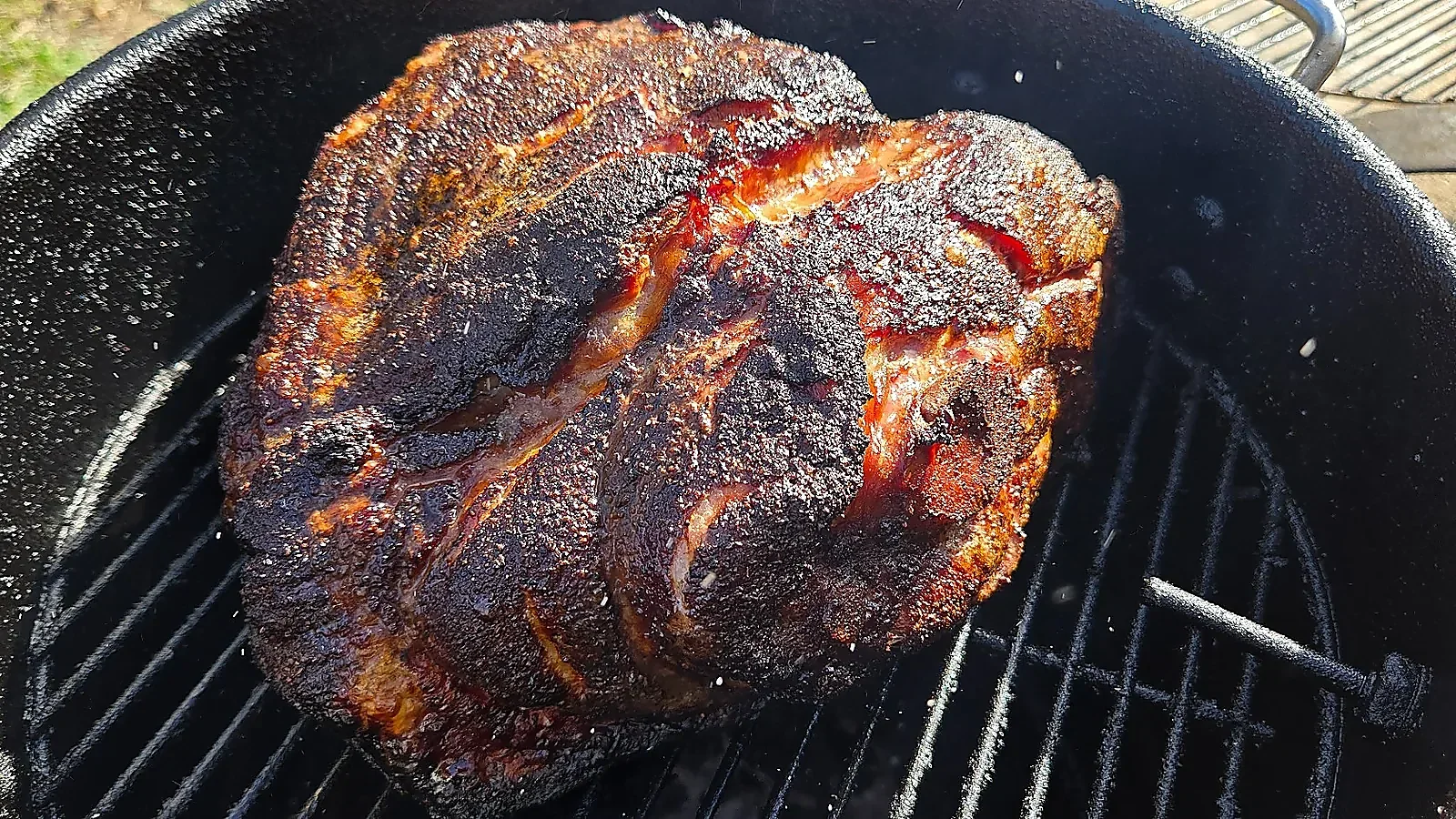
Place the pork belly directly on the grate and cook low and slow until the internal temperature reaches 209°F.
Cooking the belly whole allows the fat to render slowly while the meat absorbs smoke flavor.
Depending on thickness, this usually takes 3 to 4 hours.
When the pork reaches 209°F, it should feel very tender when probed with a thermometer.
Cubing the Pork Belly
Once the pork belly reaches 209°F, remove it from the grill and allow it to cool just enough to handle.
Cut the pork belly along the scored lines into 1 inch cubes.
Because the fat cap was scored before cooking, the pork naturally separates into evenly sized pieces.
Finishing the Burnt Ends
Place the pork belly cubes into a foil pan or grill-safe pan.
Add the BBQ sauce and gently stir to coat all of the cubes.
If you want a richer glaze, you can also add butter, brown sugar, and honey.
Return the pan to the grill over indirect heat and cook for another 45 to 60 minutes.
Stir the cubes every 15 minutes so the sauce reduces evenly and coats every piece.
As the sauce cooks down it thickens and turns sticky, forming a caramelized glaze on the pork.
What Temperature Are Pork Belly Burnt Ends Done?
Pork belly burnt ends are ready to cube when the pork belly reaches an internal temperature between 205°F and 210°F.
For this cook, the pork belly was taken to 209°F, which is a point where the fat has fully rendered and the meat becomes extremely tender.
At this stage the pork should feel soft when probed and the fat should be fully broken down.
Once cubed and returned to the grill with BBQ sauce, the burnt ends finish cooking during the final 45 to 60 minute glazing stage.
How Long Do Pork Belly Burnt Ends Take To Cook?
Total cook time for pork belly burnt ends typically falls between 4 and 5 hours.
A typical timeline looks like this.
Smoking the pork belly
- Temperature: 250°F
- Time: 3 to 4 hours
- Target temperature: 209°F
During this stage the pork belly slowly renders and absorbs smoke flavor.
Cubing and glazing
Once the pork reaches 209°F, it is cubed and placed into a pan with BBQ sauce.
- Cook time: 45 to 60 minutes
- Stir every 15 minutes
During this final stage the sauce reduces and thickens, coating the pork belly cubes in a sticky caramelized glaze.
When finished, the burnt ends should be:
- tender in the center
- slightly crisp on the edges
- coated in thick BBQ sauce
This is the point where they turn into the sticky bites pitmasters often call BBQ candy.
The Best Wood for Pork Belly Burnt Ends
The type of wood used for smoking can change the flavor of pork belly significantly. Pork pairs well with woods that provide balanced smoke without overpowering the natural sweetness of the meat.
Three of the most commonly used woods for pork are hickory, apple, and maple.
Hickory
Hickory produces a strong, bold smoke flavor that many people associate with traditional barbecue.
Flavor characteristics:
- deep smoky flavor
- strong savory aroma
- slightly bacon-like notes
Hickory works very well with pork belly because the richness of the meat can handle a heavier smoke profile.
Apple
Apple wood produces a mild and slightly sweet smoke.
Flavor characteristics:
- light smoke intensity
- sweet aroma
- clean finish
Apple wood allows the natural flavor of the pork to stand out while adding a gentle smoke flavor.
It also helps develop a nice reddish color on the meat.
Maple
Maple produces a smooth, slightly sweet smoke flavor that sits between fruit woods and stronger hardwoods.
Flavor characteristics:
- mild to medium smoke strength
- smooth smoke flavor
- subtle sweetness
Maple pairs especially well with pork belly because its sweetness complements the rich fat in the meat.
A Popular Pitmaster Wood Combination
Many pitmasters blend woods to create layered smoke flavor.
Two common combinations are:
Hickory + Apple
The hickory provides bold BBQ smoke while apple adds sweetness and balance.
Maple + Apple
This combination creates a smooth smoke flavor that pairs well with sweet BBQ glaze.
Common Mistakes When Making Pork Belly Burnt Ends
Even though burnt ends are simple to make, a few mistakes can affect the final result.
Cutting the pork too early
If the pork belly is cubed before the fat fully renders, the pieces can become tough or greasy.
Cooking the belly whole until about 209°F prevents this problem.
Not cooking the glaze long enough
The finishing stage is where burnt ends develop their sticky glaze.
If the pan is removed too early, the sauce will stay thin instead of caramelizing onto the pork.
Allow the cubes to cook in sauce for 45 to 60 minutes, stirring every 15 minutes.
Too much smoke
Pork belly absorbs smoke easily. Using excessive heavy smoke can make the meat taste bitter.
Moderate smoke using woods like hickory, apple, or maple gives the best results.Serving Ideas
Pork belly burnt ends are great served straight from the pan, but they also work well in other dishes.
Try them:
- as an appetizer
- on sliders
- on toasted bread for a BBQ crostini
- over mac and cheese
- on loaded baked potatoes
Final Thoughts
Cooking pork belly whole before cubing allows the fat to render slowly while the meat absorbs smoke flavor. Once cubed and finished in BBQ sauce, the pork develops caramelized edges and a thick sticky glaze.
The result is smoky, tender pork bites that disappear quickly once they hit the table.
Seasoned with PyroDust BBQ Dry Rub, these pork belly burnt ends deliver bold backyard BBQ flavor in every bite.
Keep learning