A lot of people think barbecue is all about the meat, the seasoning, and the smoker.
It is not.
Weather matters too.
If you cook outside long enough, you learn that the same pit, the same fuel, and the same cut of meat can behave very differently depending on wind, temperature, humidity, and rain. Some days the fire runs easy. Some days the cooker fights you the whole time. That is not your imagination. Weather can affect fire management, cook time, bark development, and how the finished meat turns out.
That does not mean bad weather ruins a cook.
It just means you need to understand what it changes and adjust before it starts controlling the cook for you.
Why Weather Matters So Much in Outdoor Cooking
Barbecue is not happening in a sealed room.
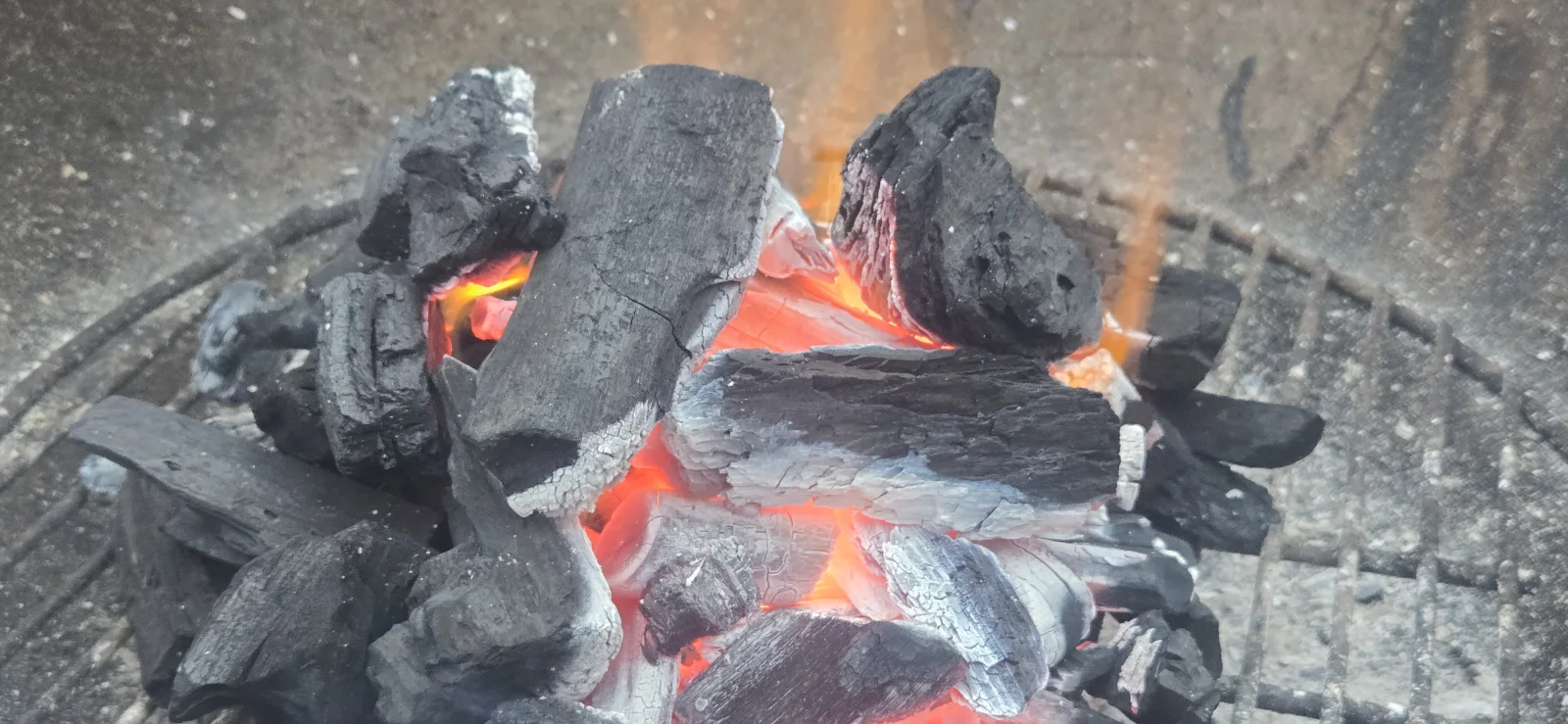
You are managing fire, airflow, metal, moisture, and meat outside. When the weather changes, it changes how all of those things behave. Wind can push a fire harder than you want. Cold air can pull heat out of the cooker. Heat can make a pit run hotter than normal. Rain and humidity can change how fuel burns and how bark develops.
That is why a cooker that felt dialed in one weekend can feel completely different the next.
A lot of times, the meat is not the problem. The weather is.
Wind Is One of the Biggest Troublemakers
Wind is one of the fastest ways to make an easy cook harder.
A steady wind can push extra oxygen into the fire and make temps run high. It can also pull heat out of the cooker and make temperatures swing more than usual. Gusty wind is even worse because it keeps changing how the fire behaves, which means the pit never really settles in.
That matters on longer cooks.
When the wind is working against you, you usually burn more fuel, spend more time chasing temps, and put yourself at greater risk of drying out the surface of the meat.
What Wind Does to the Food
Wind does not ruin meat by itself.
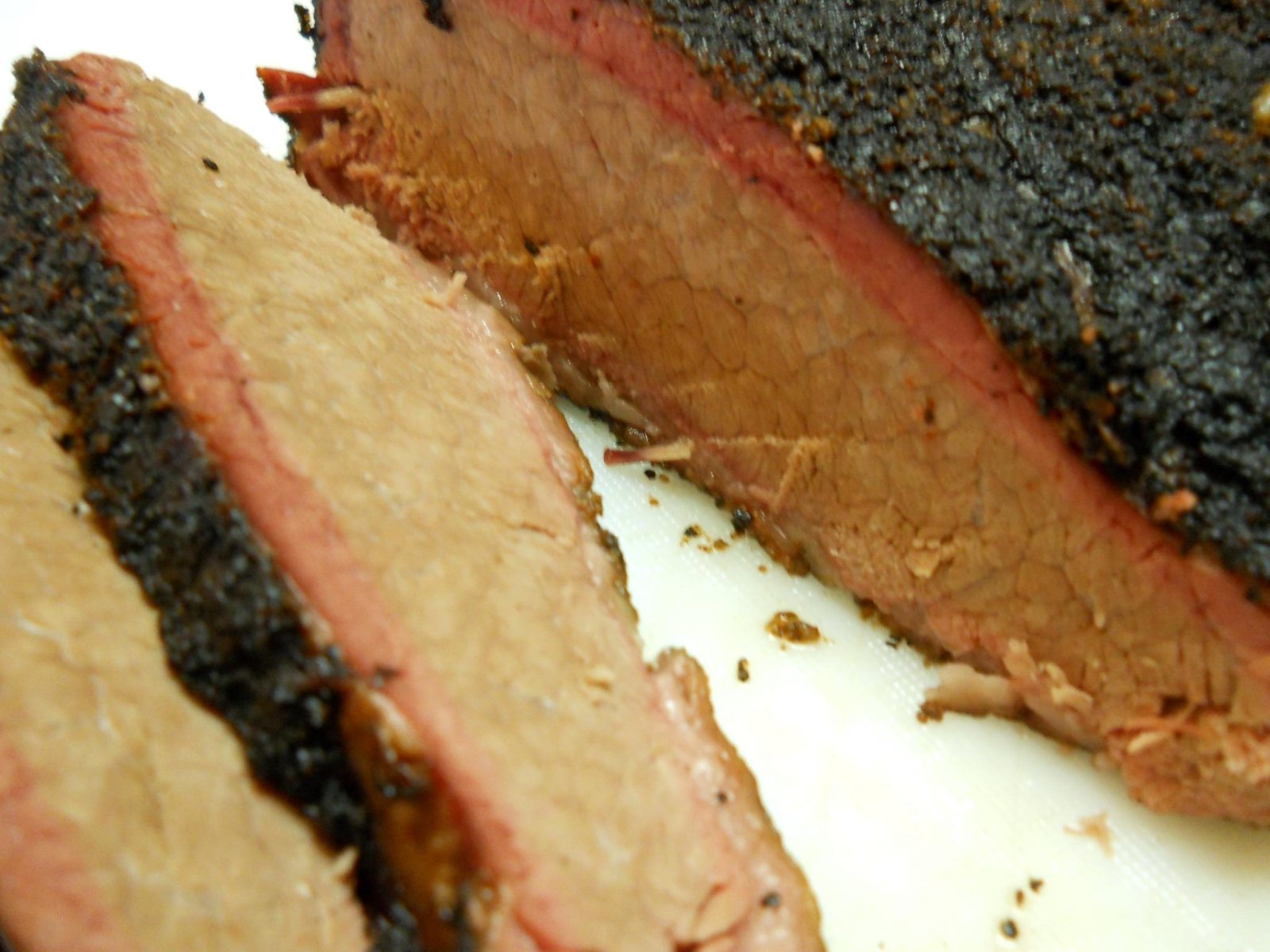
What it does is make the fire less stable, and that affects the food. If the cooker keeps swinging hotter or cooler than expected, bark can develop unevenly, the outside of the meat can dry faster, and cook times can get harder to predict.
The food suffers because the fire is unstable, not because the wind somehow touched the pork.
How to Handle Wind Better
A few simple moves help a lot:
- Turn the cooker so the intake or firebox is not taking the full hit of the wind
- Set up a safe windbreak if you can
- Avoid wide open areas when possible
- Keep extra fuel ready because windy days usually burn more
- Make smaller adjustments and give the pit time to respond
One of the easiest ways to make a windy cook worse is to overcorrect every little temp move.
Cold Weather Makes the Cooker Work Harder
Cold weather does not automatically mean bad barbecue.
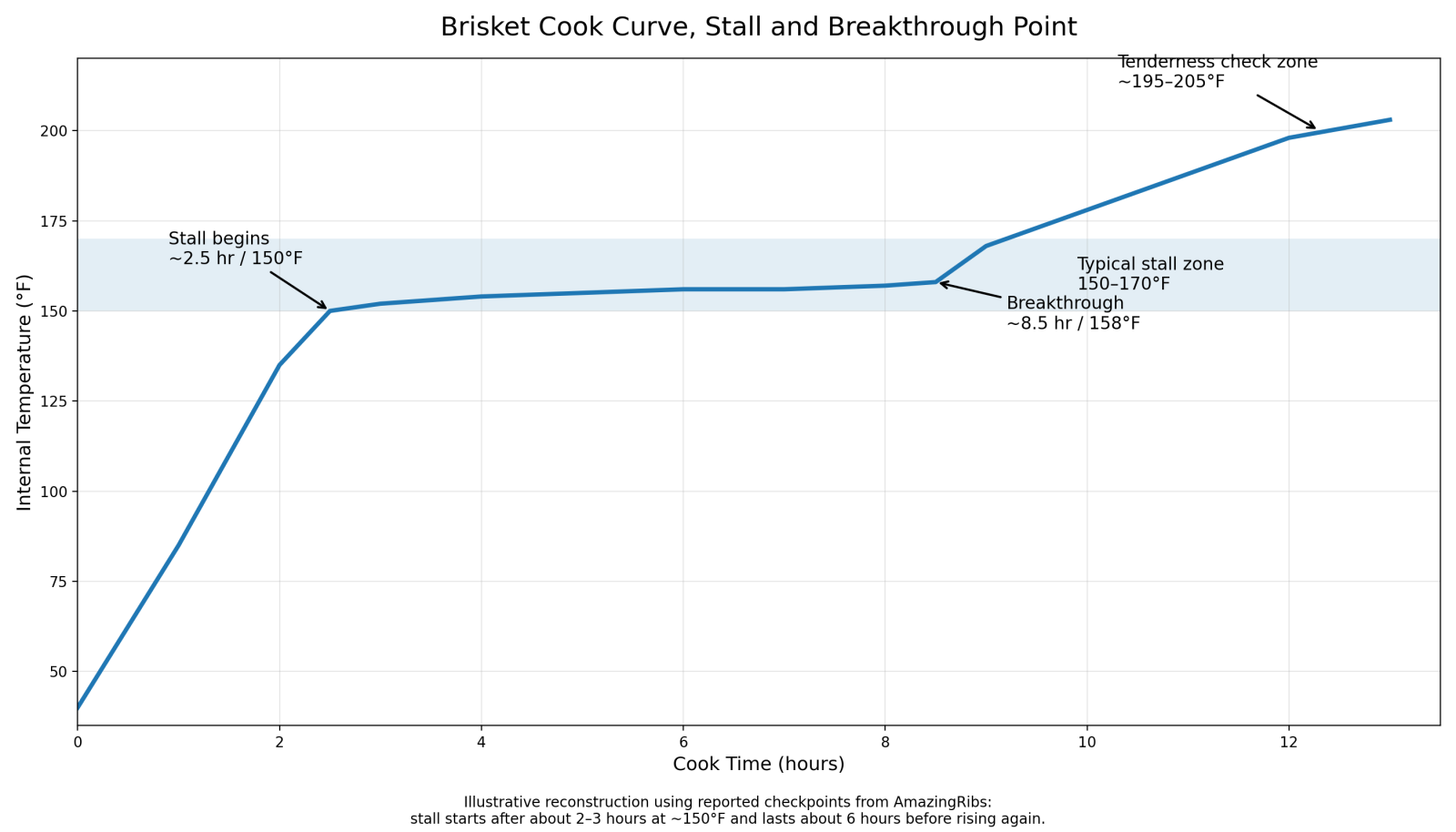
It usually means the cooker has to work harder to stay at temp. The pit loses heat faster, takes longer to recover after you open it, and usually burns more fuel over the course of the cook.
That becomes more obvious on bigger cuts like brisket and pork butt where the cook is already long enough for little problems to add up.
What Cold Weather Does to the Food
Cold air usually affects the cooker before it affects the meat.
If you stay on top of the fire, the food can still come out great. But if the cooker keeps dropping, recovering slowly, or running dirty because you are fighting to keep it hot, then the quality of the meat can start to suffer too.
The biggest risks are longer cook times, inconsistent bark, and uneven pit performance.
How to Handle Cold Better
Cold-weather cooks go better when you plan ahead:
- Give yourself more time than usual
- Preheat the cooker thoroughly
- Expect to use more fuel
- Open the cooker less often
- Keep fuel dry and close by
- Do not rush the cook just because the weather is uncomfortable
A cold cook usually rewards patience more than anything else.
Hot Weather Can Change More Than People Think
Hot weather sounds easy, and sometimes it is.
But a hot day can also make a cooker run harder than expected, especially if direct sun is hitting dark metal or the pit already drafts well. Temperatures can rise faster, overshoot more easily, and stay more aggressive than they normally would.
That is only part of the issue.
Hot weather also means you need to pay more attention to prep tables, side dishes, sauces, slaws, and anything that should not sit out too long.
What Heat Does to the Food
High outdoor temps do not usually ruin smoked meat on their own, but they can make the whole cook less forgiving.
A pit that runs hotter than expected can push the outside of the meat too hard. And while the meat is cooking, your cold items and prep ingredients may also be exposed to conditions that make them less safe or less appetizing.
So hot weather affects both the fire and everything around the cook.
How to Handle Heat Better
A few habits help on hot days:
- Start smaller on your air settings
- Watch for overshooting temperatures
- Keep the cooker out of direct sun when possible
- Keep cold foods cold until you need them
- Do not leave sauces, mayo-based sides, or raw meat sitting out
- Check on the whole cooking setup, not just the smoker
Hot weather does not always make a cook harder, but it definitely changes how quickly things can get away from you.
Rain and Humidity Can Slow Everything Down
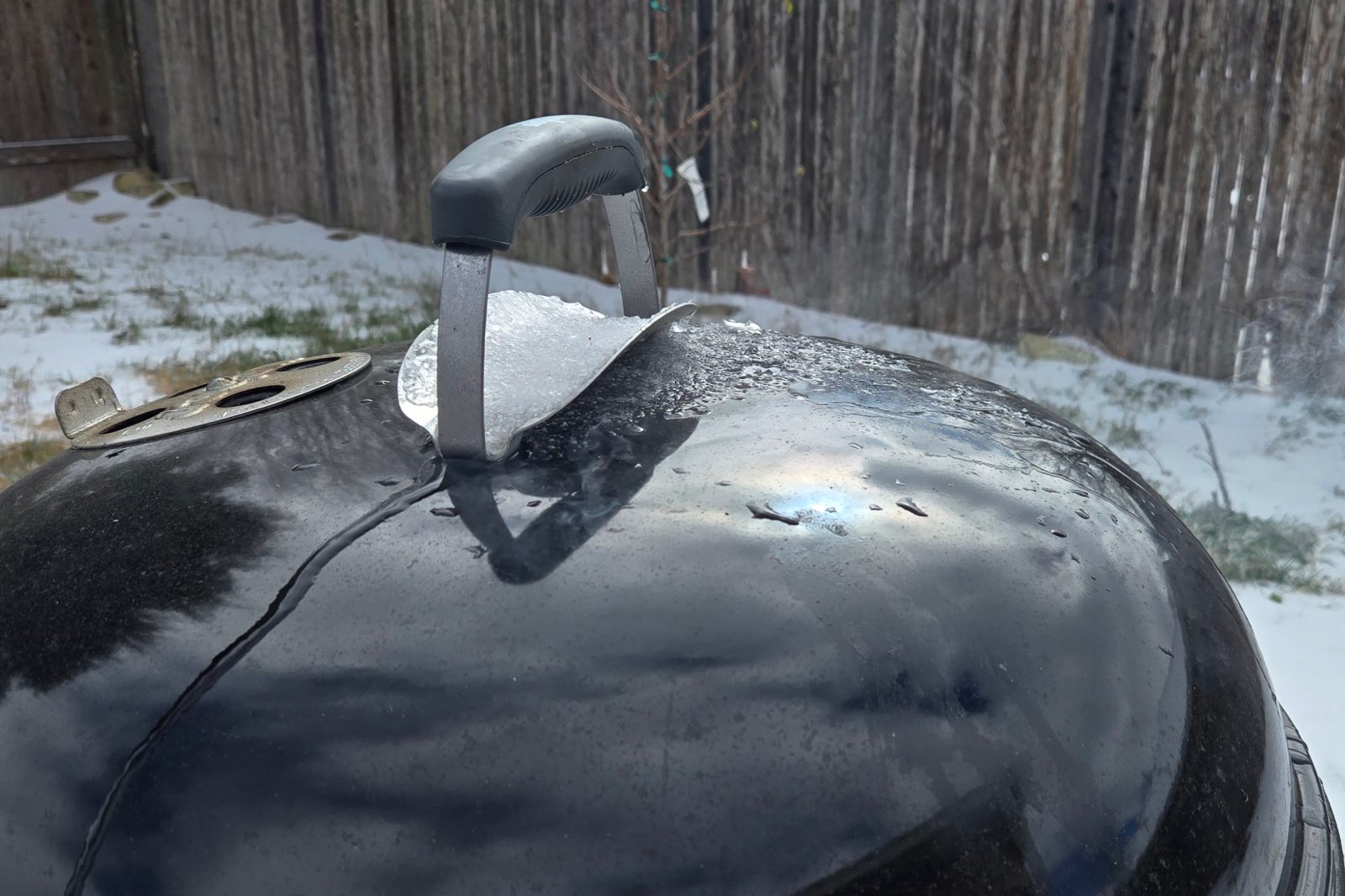
Rain and humidity can make a cook feel heavier, slower, and harder to manage.
Rain cools the cooker, affects airflow, and can create problems if your wood or charcoal starts taking on moisture. Humidity can slow surface drying on the meat, which can make bark take longer to develop the way you want.
That does not always ruin the cook.
It just means the pit may run less efficiently and the timeline may stop looking normal.
What Rain and Humidity Do to the Food
The biggest effect is usually indirect.
If the cooker runs less efficiently or the surface of the meat stays wetter longer, bark can take more time to set. The cook may drag out, and the fire may need more babysitting than usual.
That does not mean the meat comes out bad. It usually means you have to be more patient and less stubborn about the schedule.
How to Handle Rain and Humidity Better
A few smart habits help a lot:
- Keep fuel covered, dry, and off the ground
- Use overhead cover only if it is safe and well ventilated
- Never move a cooker into an enclosed area just to get out of the rain
- Expect bark to take longer in muggy weather
- Let the cook run instead of forcing it
Rain and humidity are usually more of a management problem than a food problem.
The Big Lesson About Weather and Fire Management
If weather shows up anywhere first, it shows up in the fire.
It affects airflow, fuel use, heat loss, pit stability, and recovery time. That is why the same cooker can feel calm one day and unpredictable the next.
The answer is not panic.
The answer is adjustment.
When the weather is working against you, make smaller changes and give those changes time to work. A lot of outdoor cooks go sideways because people react too fast, overcorrect, and spend the rest of the day correcting the correction.
A Few Practical Tips That Help in Almost Any Weather
Some habits help no matter what the forecast looks like:
- Check the weather before long cooks
- Plan for extra fuel when wind or cold is expected
- Keep fuel dry
- Use a safe windbreak when needed
- Open the lid less often when the weather is rough
- Make smaller vent changes and wait longer before adjusting again
- Give yourself more time than the ideal schedule says
- Protect sauces, slaws, and prep items from heat, rain, and sun
A lot of weather problems get worse when the cook starts rushing.
Final Thoughts
Weather is part of outdoor cooking whether you like it or not.
Wind, cold, heat, humidity, and rain can all change the way a pit runs. Sometimes the effect is small. Sometimes it is enough to throw off the whole cook if you are not paying attention. But once you understand what the weather is doing, you can work around most of it.
That is really the whole point.
You do not need perfect weather to cook good barbecue. You just need to recognize what the conditions are changing and adjust before the fire gets away from you.
That is how you keep the weather from cooking the food for you.
Keep learning