Clean smoke tastes like BBQ… dirty smoke tastes like regret
Everybody wants “more smoke”… until they get the wrong smoke.
If your smoke is thick, white, and rolling like a fog machine, that’s not “extra flavor”… that’s the stuff that makes food taste bitter, ashy, and flat. Clean smoke is the opposite. It’s the kind that makes people say “what the hell did you do to this” and then go back for more.
Let’s break it down in plain terms, with real examples.
What dirty smoke looks like
Dirty smoke is usually thick white or gray, sometimes with a yellow tint. It hangs in the air, it looks heavy, and it smells sharp.
Use this as the visual:
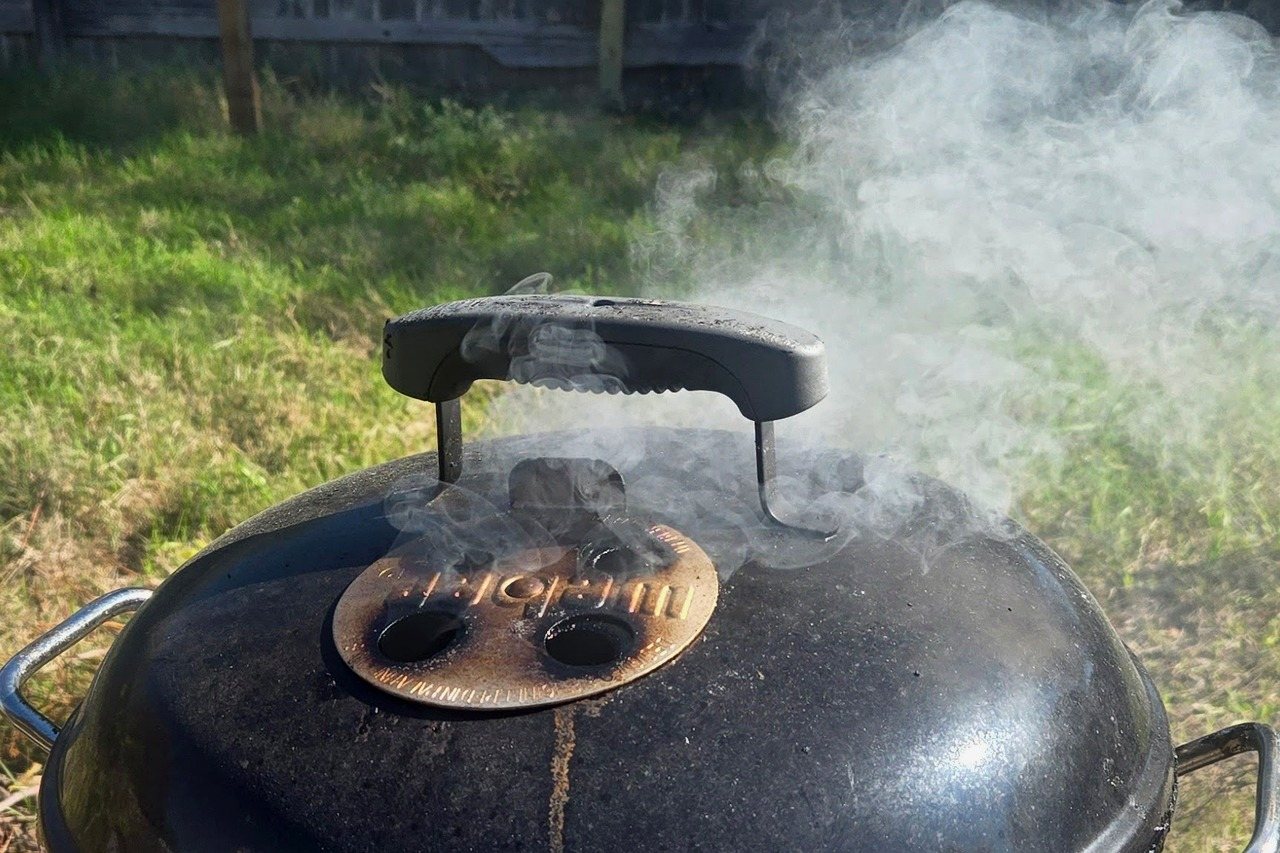
“This is dirty smoke… thick, white, and heavy. It’ll coat your food fast, and not in a good way.”
What dirty smoke does to your food
- Bitter edge on the bark
- Ashtray aftertaste
- Harsh nose burn when you smell the lid
- Weird tongue coating, like licking a fireplace
That’s usually smoldering, not clean combustion.
What clean smoke looks like
Clean smoke is thin, sometimes it looks light blue, sometimes it’s almost invisible. It moves fast, it doesn’t hang around, and it smells like clean wood and cooking meat, not a campfire that got rained on.
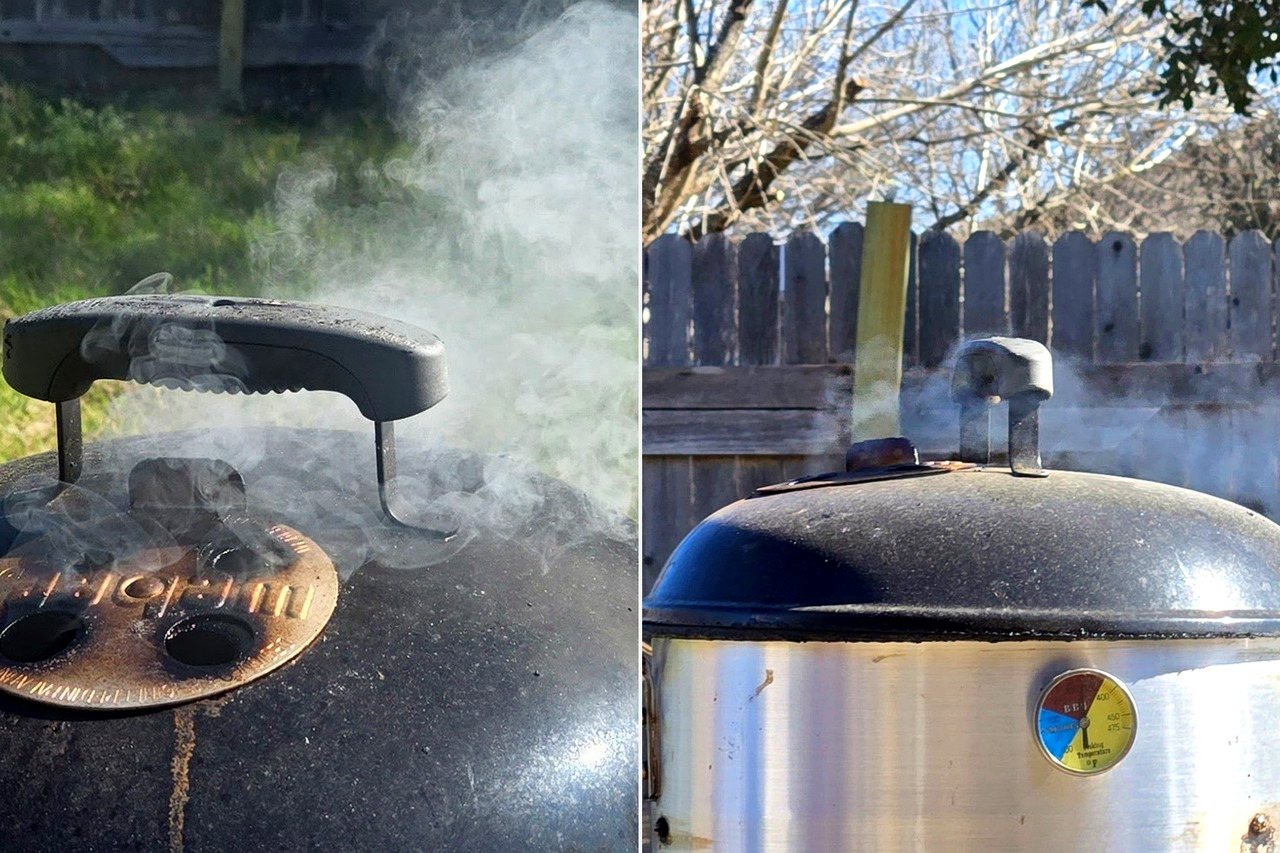
Use these as the visuals:
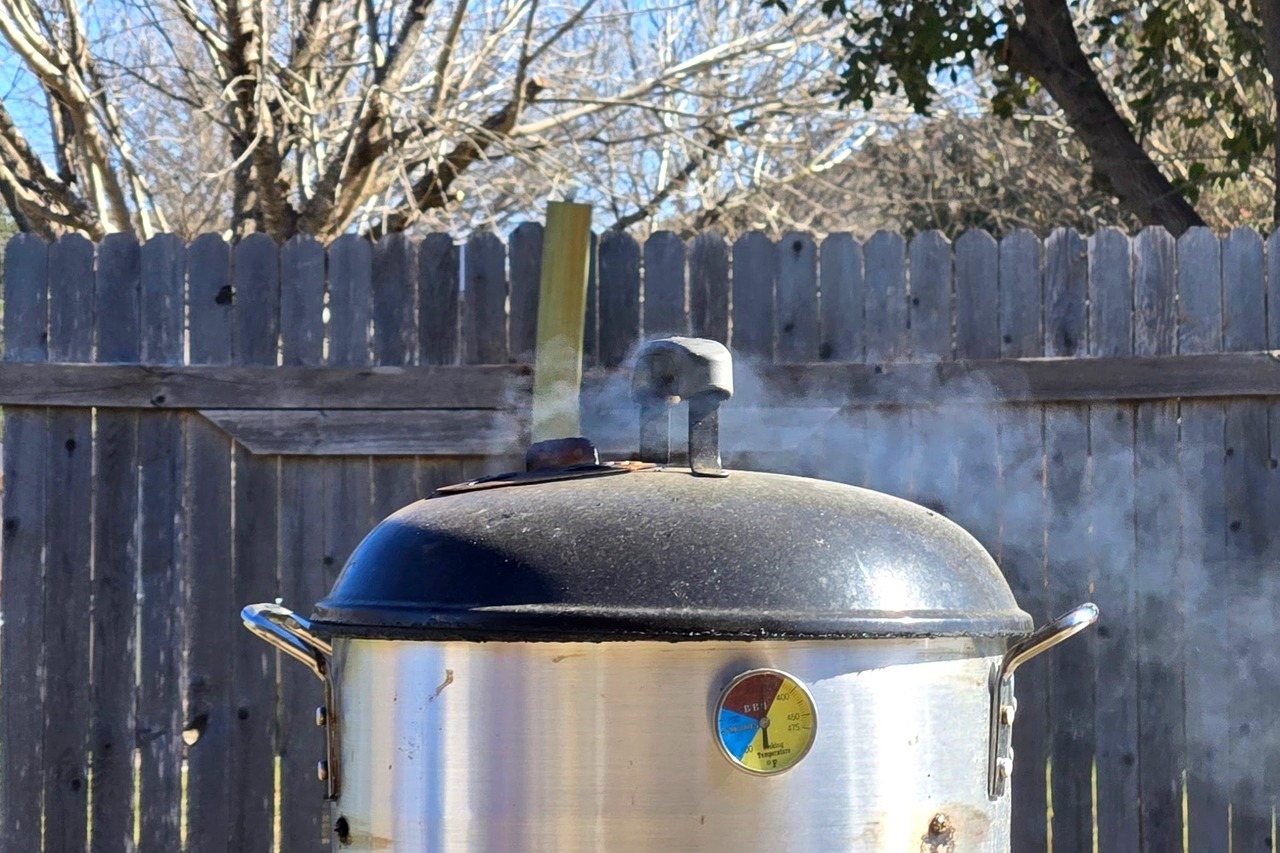
“Clean smoke… thin, wispy, moving fast. This is what you want.”
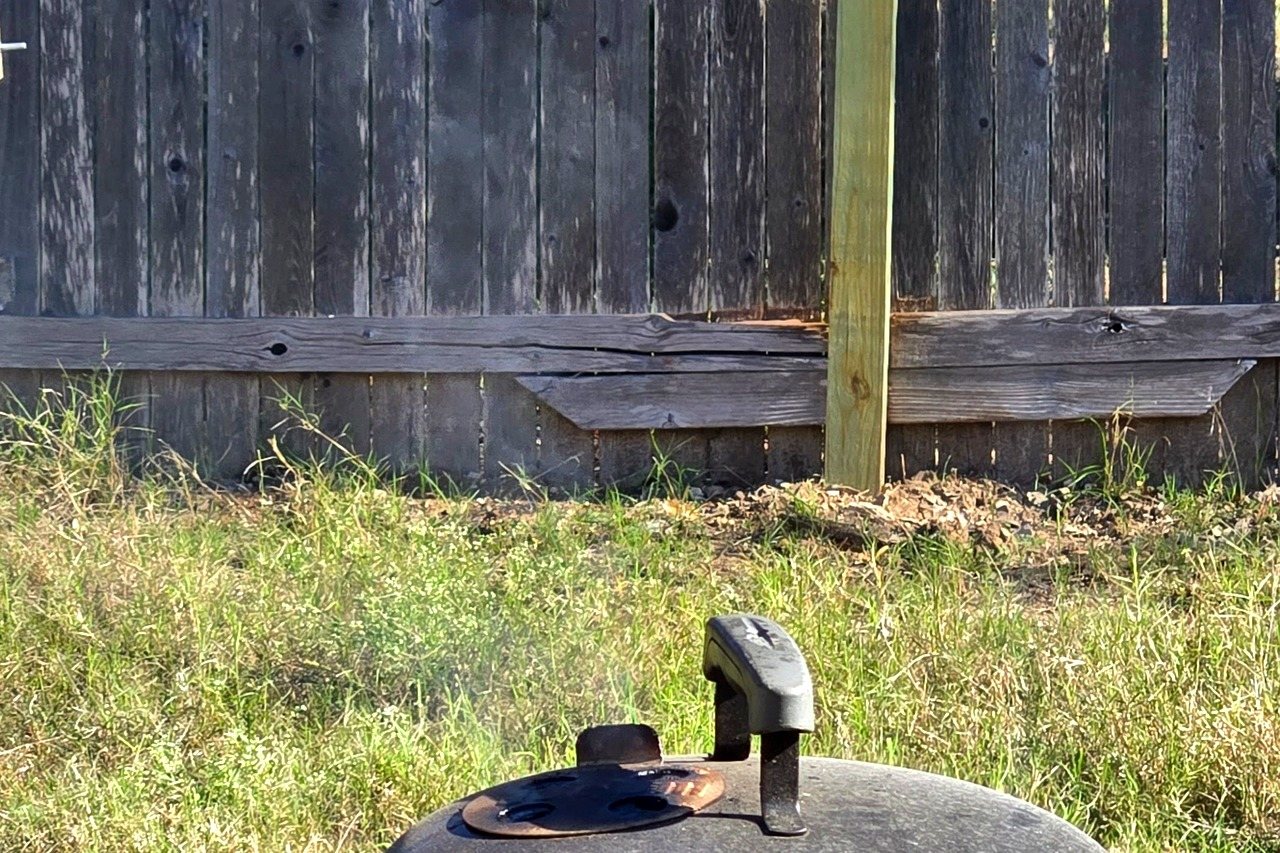
“Sometimes the cleanest smoke is barely visible. Don’t chase a big cloud.”
The best tip most people ignore
Stop chasing big smoke.
If you can see a giant cloud from across the yard, odds are it’s not “extra flavor”… it’s extra crud.
The in-between phase (this one’s normal)
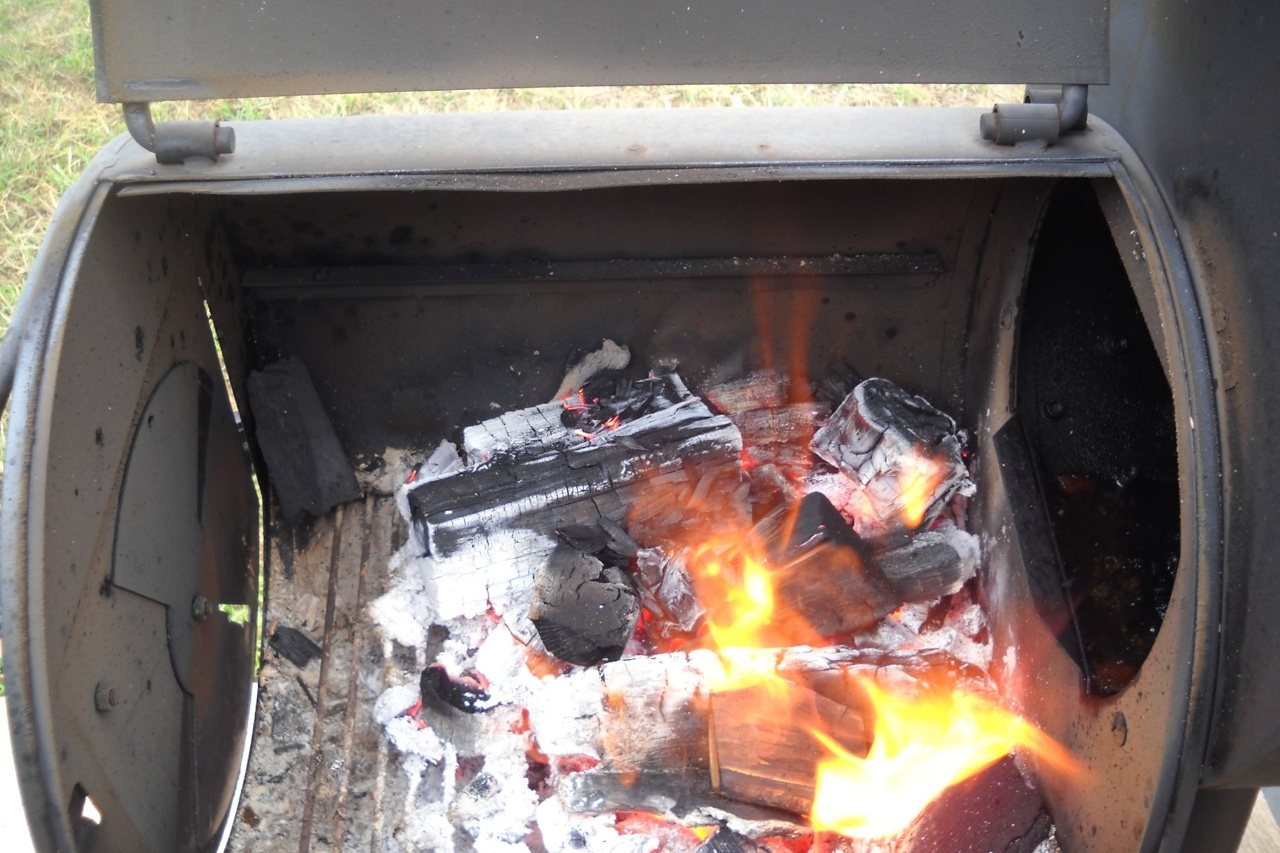
When you add wood or fuel, there’s often a short period where the smoke is still white while things heat up and catch. That’s normal.
The key is this… don’t put food in the line of fire while it’s still dirty. Let it clean up.
Use this visual:
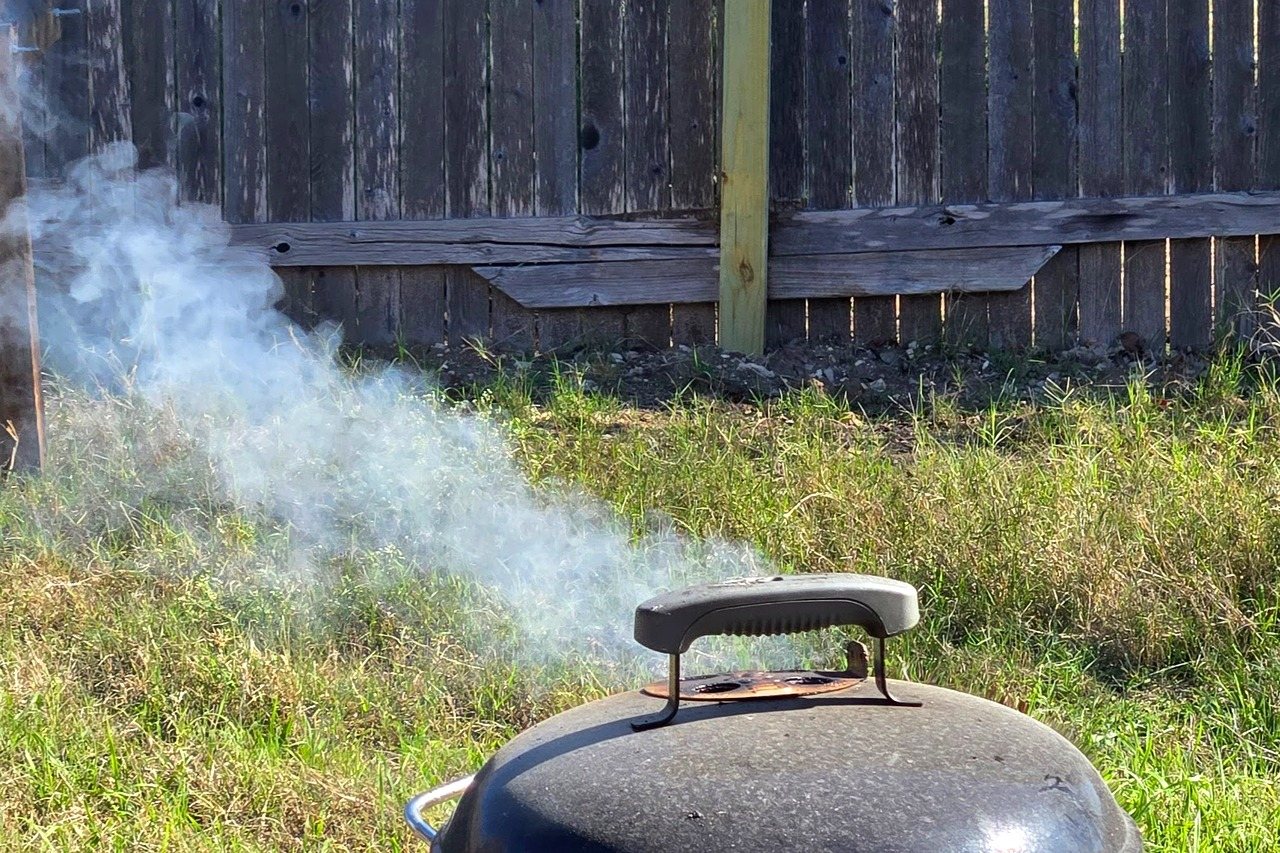
“In-between smoke… common after adding wood. Let it burn clean before you commit your meat to it.”
Why dirty smoke happens
Dirty smoke usually comes from one of these:
- Not enough airflow (vents choked down too early, exhaust restricted, smoker starving)
- Fire not hot enough (smoldering fuel, struggling coals)
- Too much wood at once (big chunk dumping smoke before it’s actually burning clean)
- Wet wood (steaming and smoldering instead of burning)
- Cold start with food on too soon (everything is still coming up to temp, smoke is messy)
How to get clean smoke on purpose
This is the repeatable routine.
- Start with a solid coal bed. Don’t “kind of” light it… get it established.
- Run the exhaust open. Let the cooker breathe.
- Add wood in smaller amounts. One chunk or a small split, then let it catch.
- Wait for the smoke to clean up. Thin, wispy, moving fast.
- Then cook. That’s when your bark gets better instead of bitter.
Quick reality check
If you open the lid and it smells sharp, sour, or like a wet campfire… that’s not clean yet.
If it smells like warm wood, roast meat, and “I’m hungry now”… you’re in the zone.
The payoff
Clean smoke gives you:
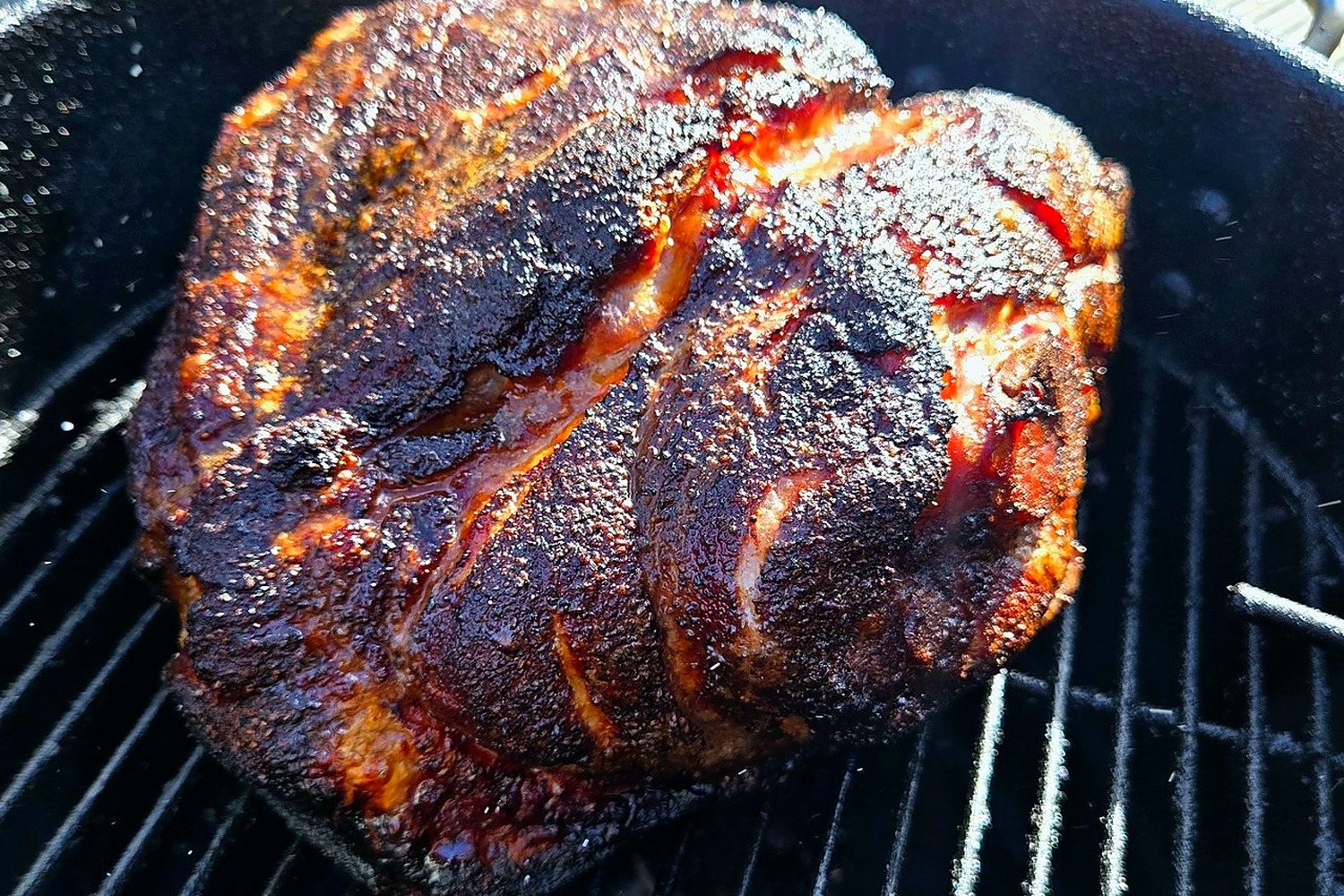
- Better bark
- Better color
- Better flavor that doesn’t need sauce to cover it up
- Food that tastes like BBQ, not like smoke as an ingredient
And once you’ve got clean smoke locked in… that’s when rubs really shine, because the smoke supports the seasoning instead of fighting it.
PyroDust
Flavor in a Handful of Dust.
Keep learning